My ADHD Brain Wouldn't Shut Off At Night. At 41, I Found Out The Real Reason.
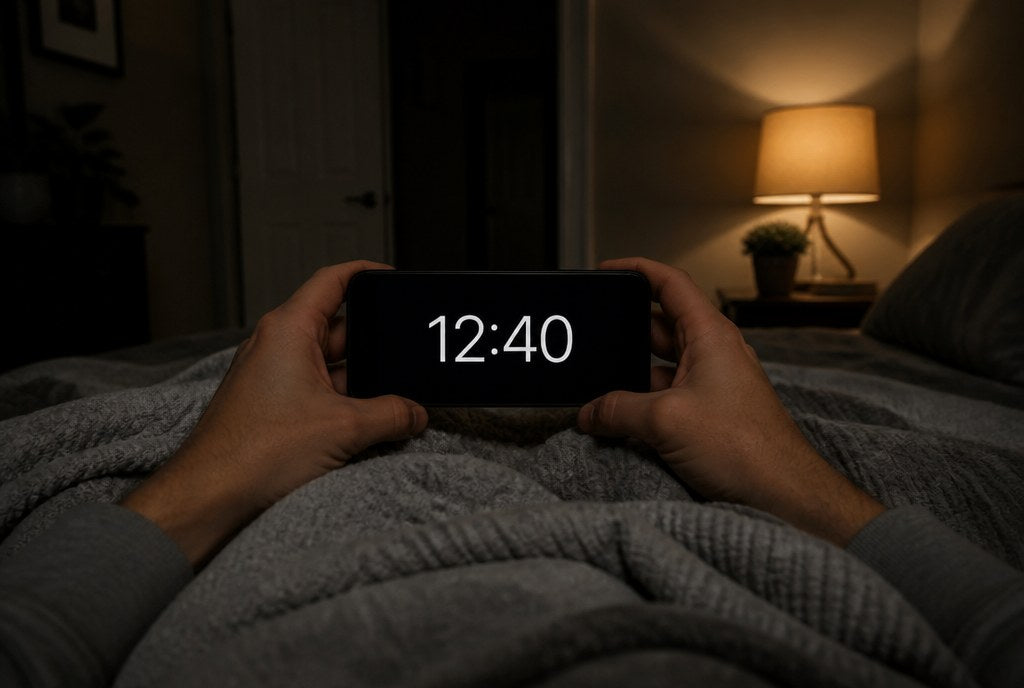

My name is Jess. I'm 41. I have ADHD — diagnosed at 38, later than most, like a lot of women. And for most of my adult life, my nights went like this: by 10pm my body was completely done — heavy limbs, burning eyes. Then I turned off the light, and my brain sped up.
It replayed old conversations. It planned things that couldn't happen until Thursday. It ran through lists nobody asked for. And when I finally did fall asleep, I'd wake up in the middle of the night with my mind already going again.
This is the story of how I found out what was actually causing my nights — and how I fixed that part, without giving up anything that makes my days work.
-
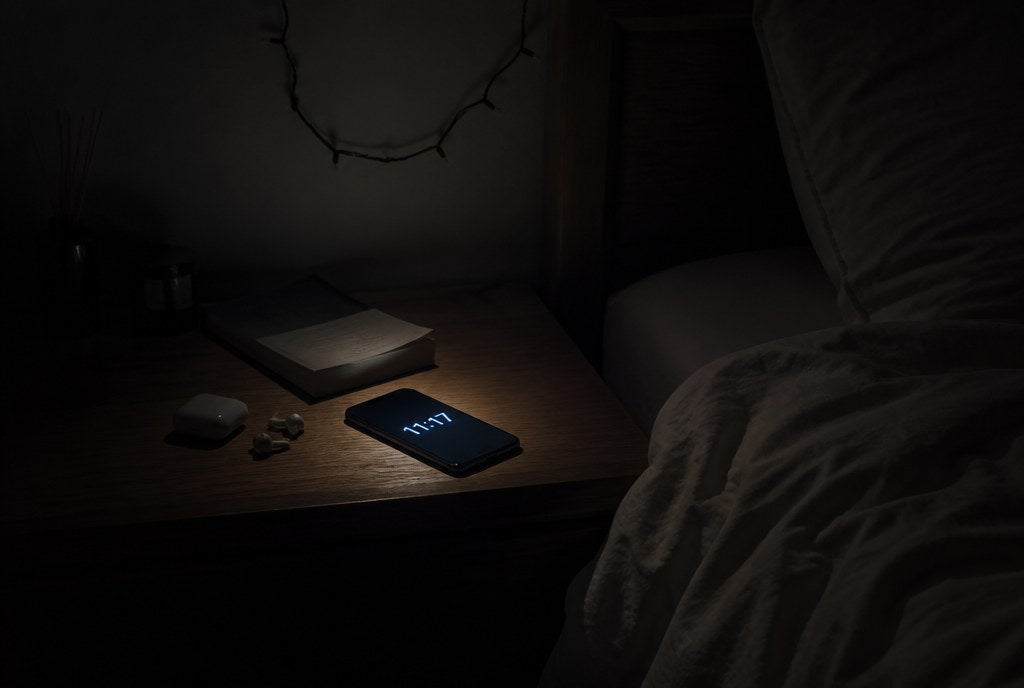
1. My Body Was Exhausted At 10pm. My ADHD Brain Wouldn't Shut Off. Every Night.
Here's what my nights looked like. I'd get in bed by 10, worn out. The second the light went off, my brain started going — a million thoughts, none of them urgent, all of them loud. Not worry, exactly. Just noise that wouldn't stop.
Falling asleep took an hour on a good night. Two on a bad one. And when I did sleep, I'd wake up in the middle of the night — sometimes two or three times — with my mind already running again. After my diagnosis, I started reading the ADHD groups, and I saw my nights everywhere. Taking an hour or more to fall asleep? Normal for us. Waking up over and over? Normal for us. And the same sentence, in post after post: "I can't shut off my mind."
If your body is exhausted but your brain won't shut off, this article is for you. There's a name for it — "tired but wired" — and there are thousands of us. You're not imagining it, and you're not the only one.
-
2. I Thought It Was Just How ADHD Brains Are — That I Was Built To Be Tired But Wired Forever.
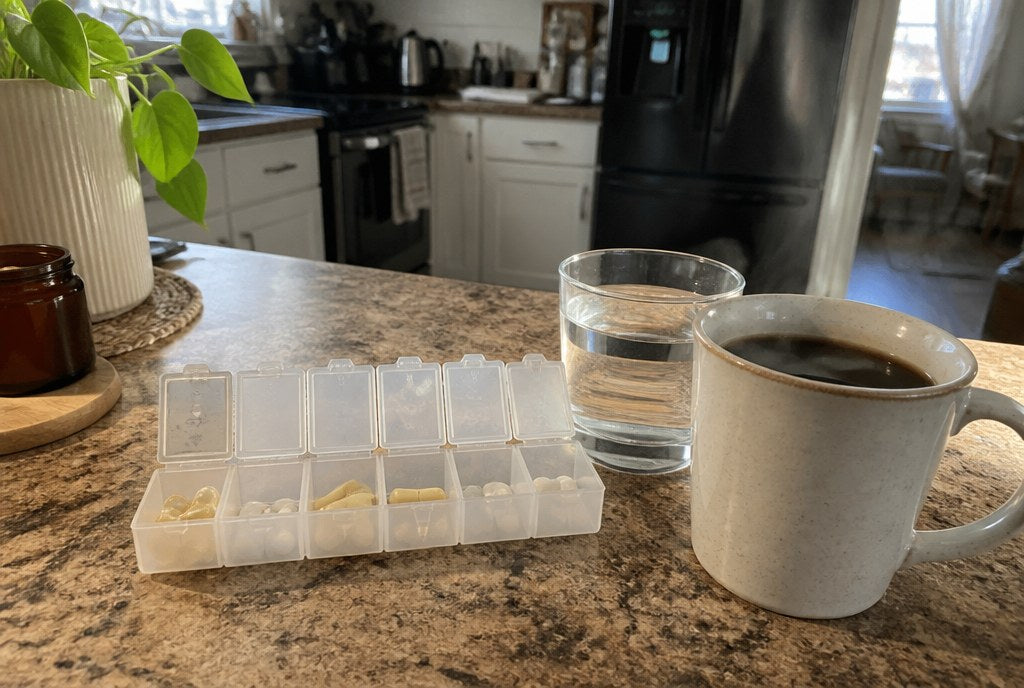
Before my diagnosis, I told myself I was undisciplined. After it, I had a better explanation, and for three years I never questioned it: this is just how ADHD brains are. Mine has always run hot. I figured I was built to be tired but wired forever, and the best I could do was live around it.
And ADHD really does explain a lot. Since my diagnosis at 38, my meds have made my days work in a way they never did before. But here's the thing I couldn't get past: my ADHD meds explain my days — they never explained my nights. I even wondered if the medication was part of the problem, so I asked my prescriber about it. That conversation didn't fix my nights either.
Here's where I finally landed: ADHD explains my days. But the thing that happened every night at lights-off — and again at 2am — was its own separate problem. Something nobody had ever checked. And unlike the way my brain is wired, this one turned out to be fixable.
-
3. The Real Reason: A Stress Hormone I Thought Was A Morning Thing — Spiking At Night
The answer turned out to be cortisol — the stress hormone. And here's the strange part: I already knew about cortisol. Every podcast I listened to talked about it — the morning cortisol peak, get sunlight before your coffee, all of that. In my head, cortisol was a morning thing.
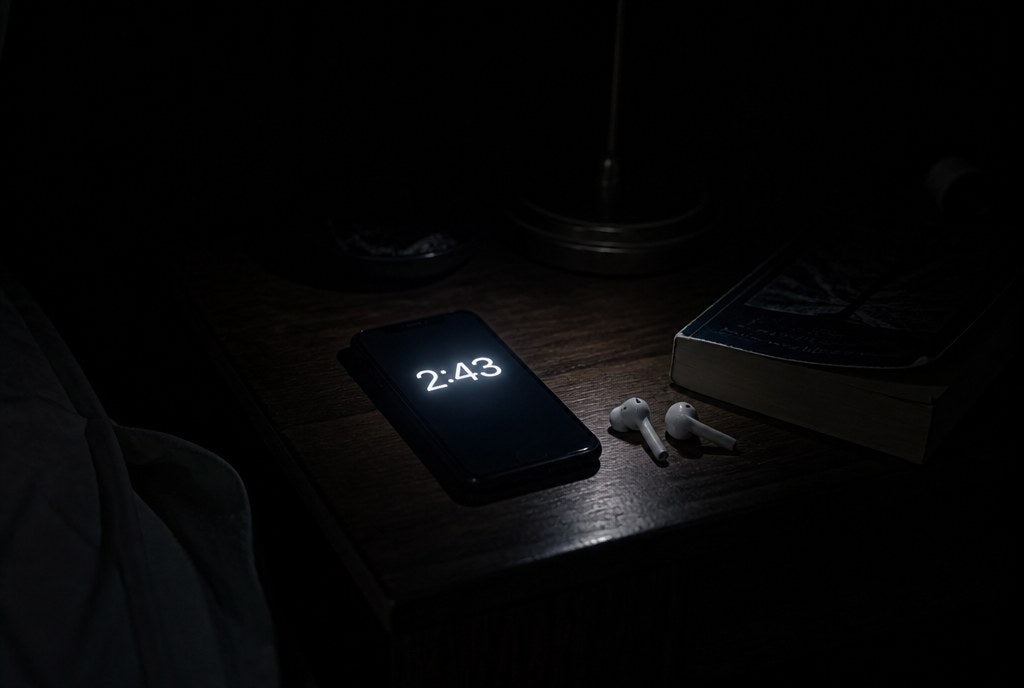
Nobody ever told me cortisol has a night side. It's supposed to fall at night and stay low until morning. But when your brain runs hot all day — and mine always has — cortisol can spike at the wrong time. At night, it sends your mind the one signal it shouldn't: wake up.
That's why my brain wouldn't shut off at bedtime. And that's why it started up again in the middle of the night. My body was ready to sleep. My stress hormone wasn't done for the day. And that nighttime spike isn't ADHD — it's its own problem, with its own fix.
-
4. Why Melatonin And Every Sleep Aid I Tried Never Fixed It
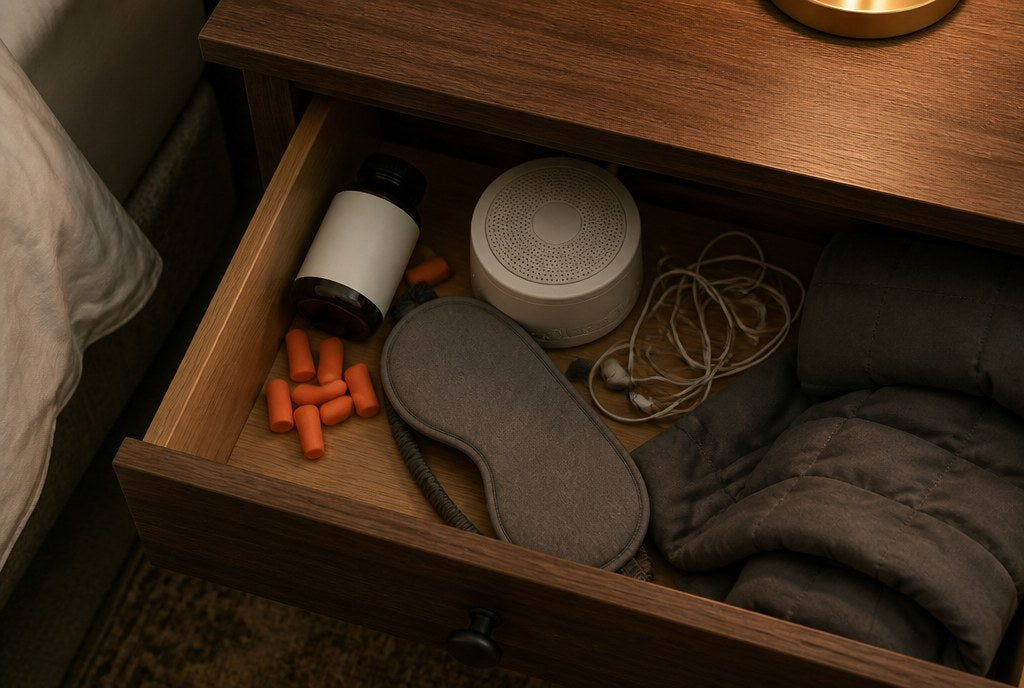
I tried melatonin. Chamomile tea. A weighted blanket. Brown noise. The same audiobook on repeat — so many nights I know whole chapters by heart. No phone before bed. I even asked my doctor about sleep medication.
Every one of those tries to get you to fall asleep. None of it fixed the cortisol problem my body was dealing with. That's why my mind kept running at bedtime and why I kept waking up in the night — cortisol was forcing my mind awake while my body was screaming for rest.
Melatonin deserves a special mention: it never fixed anything — it tricked my body into going to bed. And the longer I took it, the less my body seemed to make on its own. The scarily vivid dreams were the last straw.
-

5. The Fix Is Magnesium — But It Takes All 10 Forms, Not Just The Glycinate I Took
Here's the part that stung a little: I was already close.
Magnesium is the mineral your body uses to bring cortisol down. Stress drains it, and food can't keep up. I knew that — it's why I'd taken 400mg of magnesium glycinate for years. Glycinate, not oxide — I did the research, I read the labels, I knew exactly which form I was buying. It was a real dose in a good form, and it was the right idea.
But one form of magnesium does one job. My glycinate was one-tenth of the formula — that's why it helped a little and never fixed my nights. It takes all 10 forms to cover what stress drains.
That's what I found in Wonder Naturals' Magnesium Complex: all 10 forms, with every form and every amount printed on the label. I read labels before I buy anything. This one passed.
-
6. The Other Half Of The Answer: Ashwagandha For The Daytime Stress
The magnesium handles the nighttime side — it lets cortisol fall the way it's supposed to. But my problem didn't start at night. It started with a brain that runs hot all day.
That's what the second ingredient is for: KSM-66® ashwagandha, 500mg — the studied dose. It works on the daytime stress side, so there's less pressure on the whole system by the time you get in bed. It's not a bonus ingredient. It's the other half of the answer — the piece that finally let my brain actually relax.
One thing I want to say plainly: none of this treats ADHD. My ADHD is still my ADHD, and my days still run on what my prescriber manages. This works on one thing — the stress hormone — because whatever else is true about your brain, that nighttime spike is its own problem. Before I started, I showed the label to my prescriber and asked about timing with my morning medication. Easy conversation. I started that night.
-

7. Nothing Happened On Night One. By Week Three, My Nights Were Different.
I'll be honest, because I hate overpromises: nothing happened on night one. Or night two.
Somewhere in week two, falling asleep stopped taking an hour. By week three, I was sleeping through most nights — and when I did wake up, I fell back asleep instead of lying there for hours. The best way I can describe it: like a weight was lifted off my mind. Clear-headed at night, actually rested in the morning, no fog hanging over the day. And no grogginess — nothing in it sedates you.
That's longer than I'd ever given anything a chance to work.
I'm Not The Only One
These are from other people's reviews. I recognized my own nights in every one of them.
“Every night was the same thing. Body exhausted at 10, head just getting started. Replaying conversations from three days ago, planning stuff that could easily wait until morning. Around the second week the noise started dying down. I fall asleep in maybe 20 or 30 minutes now instead of two hours. I didn't think anything would touch that, honestly.”
— Maya R., 37, verified buyer
“Honest review, the first week I felt nothing and almost sent it back. I've already bought glycinate, a weighted blanket, a white noise machine, the same boring audiobook every night. So I was ready to write this off too. Then sometime in week three my head started actually settling down at night. Glad I gave it the whole bottle.”
— Lisa H., 41, verified buyer
“I read labels on everything, and most sleep supplements hide behind a proprietary blend. This one lists every form and every amount and it's third party tested, so I figured it was worth trying. A month in I'm sleeping deeper, and my drawer of half used bottles has stayed shut.”
— Jo C., 38, verified buyer

The exact bottle on my nightstand — try it for 90 nights, risk-free
10 forms of magnesium + KSM-66® ashwagandha. One nightly serving (one capsule).If your nights don't change, one email refunds every penny.
Try It For 90 NightsBacked by our 90-day, no-hoops money-back guarantee.