Running On Coffee And Still Exhausted? That's Cortisol.
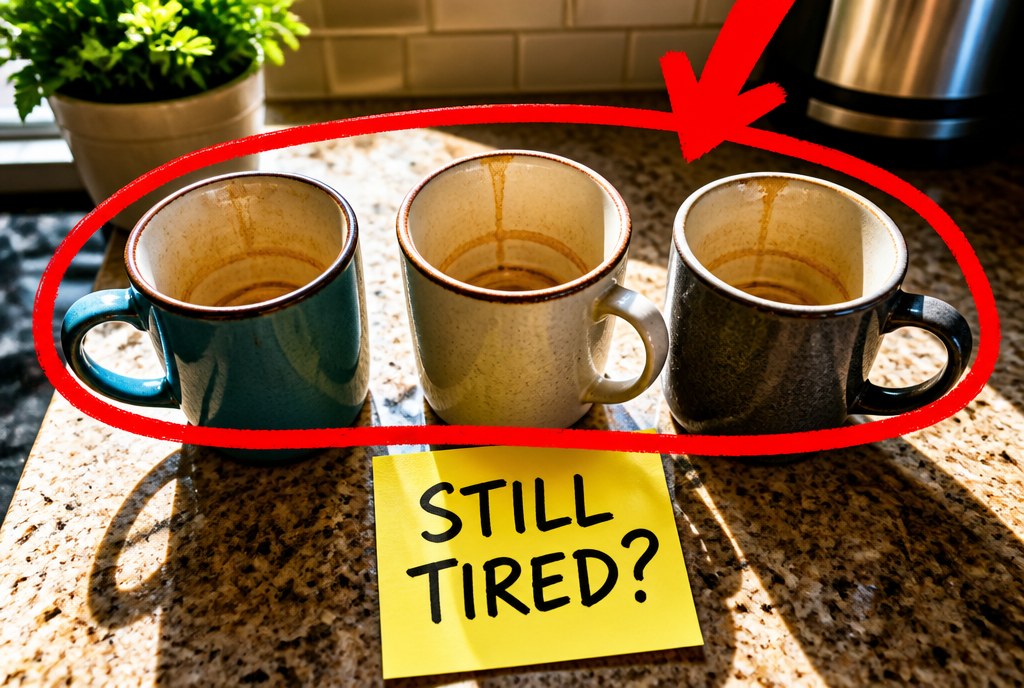

You've done the responsible things. Thyroid panel: normal. Iron: normal. B12, vitamin D: normal, normal. And you're still dragging through every afternoon like your body is made of wet concrete.
Here's what nobody's told you: standard bloodwork measures everything except the system that actually runs your energy — your cortisol rhythm. When it flattens, you get the signature: exhausted all day, wired at 10pm, immune to coffee.
That rhythm has an off-switch, and it's a mineral. Here's the whole story — and why the coffee was never going to fix it.
-
1. Your Labs Are “Normal.” You're Still Exhausted. Both Are True.
You've heard it from the doctor, maybe more than once: everything looks fine. And you walked out to the parking lot still bone-tired, wondering if it's just you.
It's not just you, and it's not laziness. Thyroid, iron, B12, vitamin D — those panels check the parts. None of them checks the schedule the parts run on.
Your energy isn't a part. It's a rhythm — a hormone called cortisol that's supposed to peak in the morning and fall at night. No standard panel graphs it across your day.
So “your labs are normal” and “something is wrong” can both be true. Here's what's actually happening.
-
2. Tired All Day, Wired At 10PM? Your Energy Curve Went Flat
Cortisol has a bad reputation, but it IS your natural energy. The morning peak is what gets you out of bed. The nighttime drop is what lets you sleep. That's the curve working.
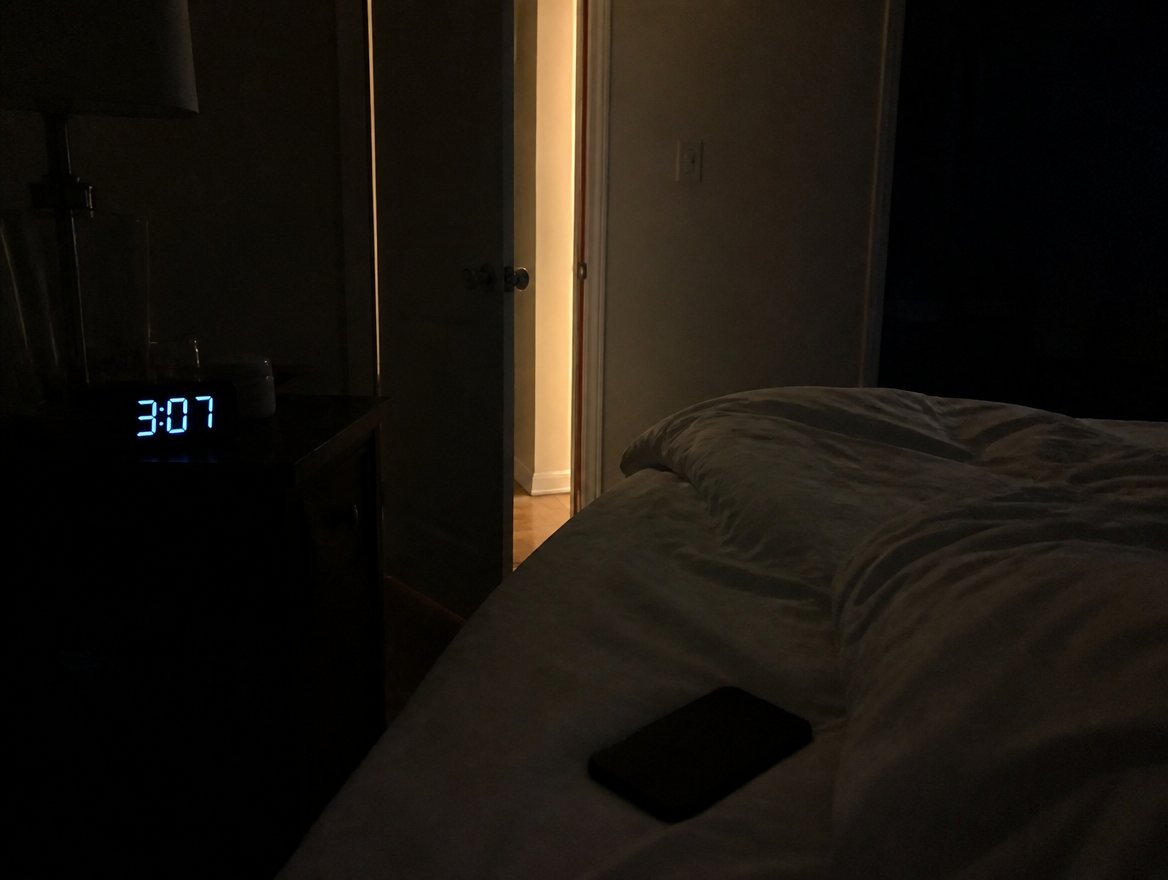
Years of nonstop stress flatten it: nothing in the tank at 7am, a wall at 3pm — and then, at exactly the wrong hour, the “second wind.” Asleep on the couch at 8:30, wide awake the second you get into bed.
If that pattern feels personal — exhausted all day, then somehow wired at night — that's not a sleep problem or a discipline problem. That's a flat curve.
-
3. Why Coffee Stopped Working (And Started Making It Worse)
Coffee doesn't add energy. It borrows it — by spiking cortisol, the same hormone that's already running flat. On a healthy curve, that works. On a flat one, there's less and less to borrow.
That's why you're basically immune to it now: the third cup doesn't wake you up anymore, but it still shows up at midnight to wreck the sleep that was supposed to refill the tank.
So the cycle runs itself: worse night, heavier morning, more coffee, worse night. You weren't weak for riding it — nobody told you the loan had interest.
-
4. The Off-Switch For Cortisol Is A Mineral — And Yours Ran Out
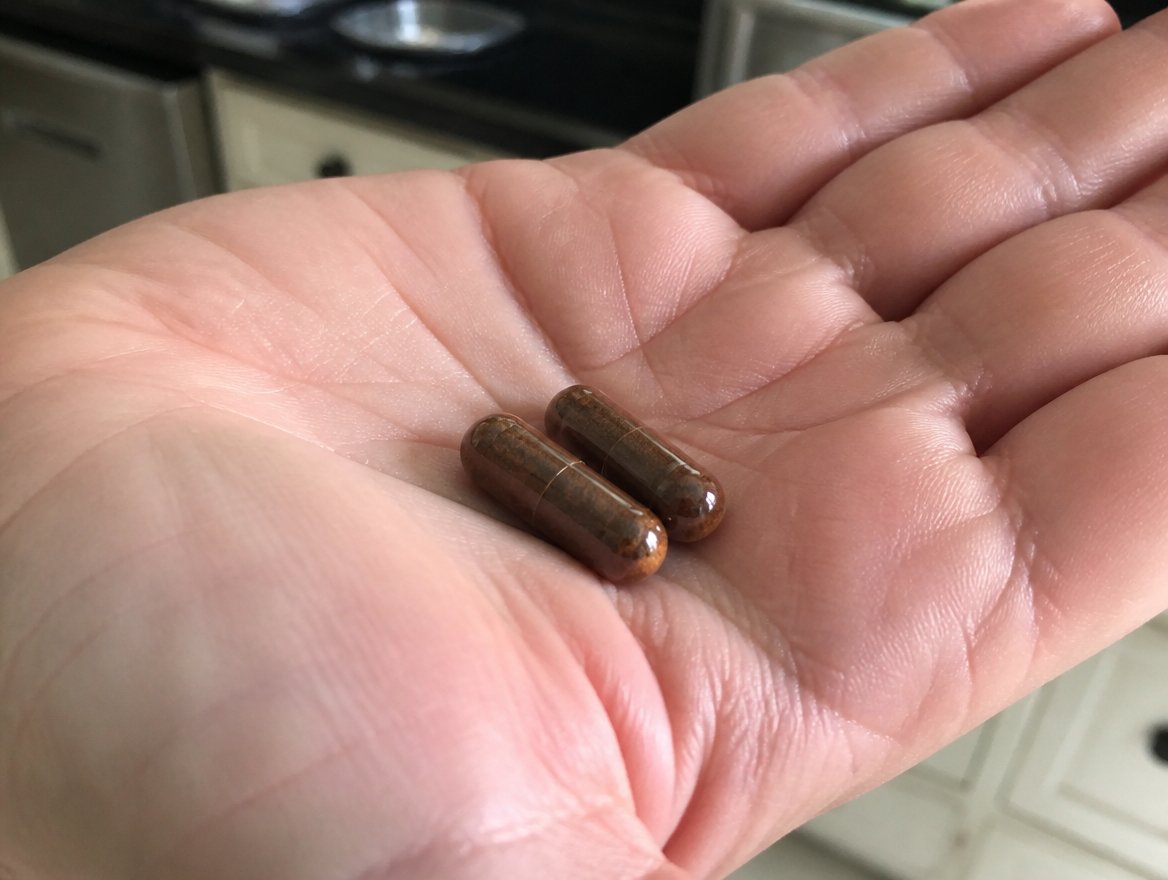
Your body has a built-in brake for cortisol: magnesium. It's the mineral your nervous system uses to switch the stress response off — to make the nighttime drop actually happen.
The problem: stress spends magnesium. Coffee spends it. Deadlines, workouts, years of birth control — all withdrawals from the same account. Researchers estimate roughly 73% of women are running low.
And here's the kicker for the “normal labs” file: less than 1% of your body's magnesium is in your blood, so the standard test barely sees a shortage. It's the deficiency that hides in plain sight.
Low magnesium, a flat wired-tired curve, a coffee habit that quit helping. That's the whole chain — and the fix is refilling the brake, not pressing the gas harder.
-
5. Already Own Magnesium? You Gave It The Wrong Job
There's a decent chance a magnesium bottle is already in your cabinet, filed under “sleep aid, didn't do much.” Here's the thing: it never got the right assignment.
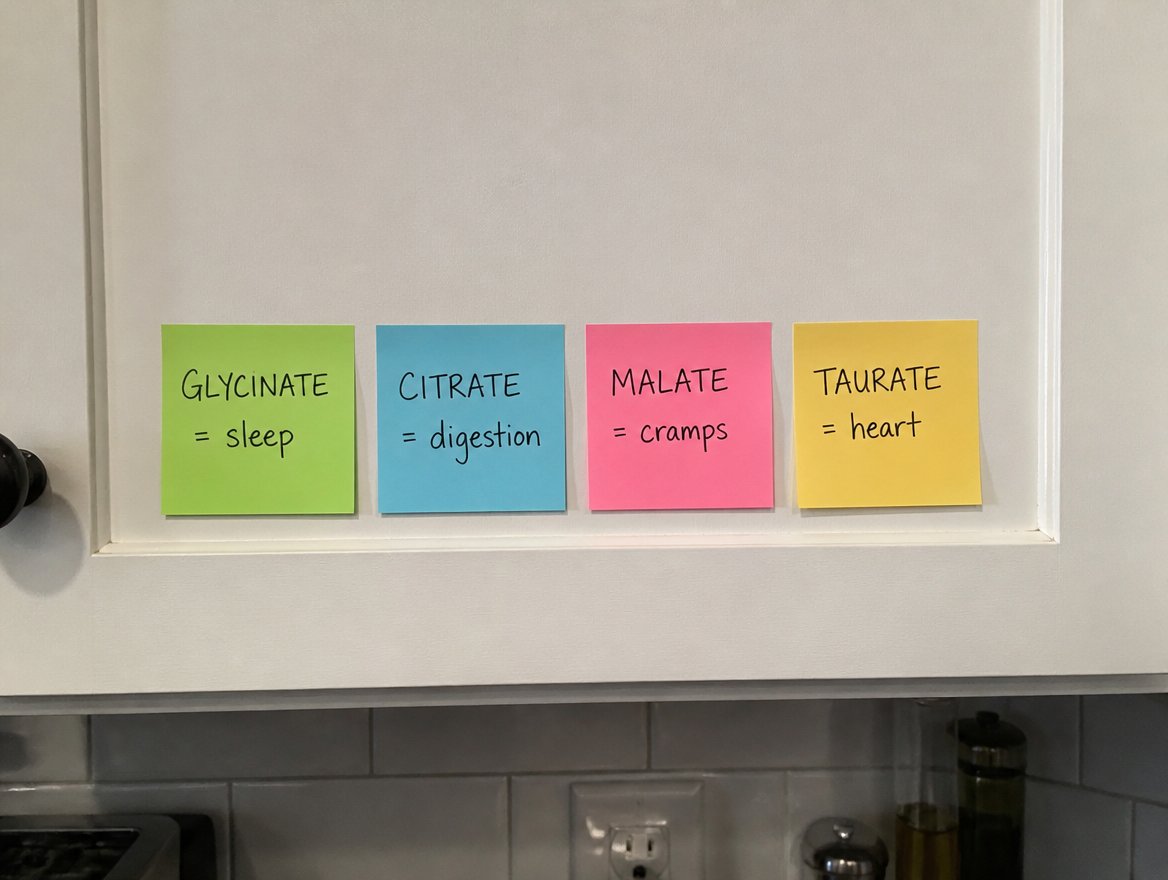
One bottle is usually one form, and each form does one job. Glycinate calms the nervous system. Citrate keeps digestion moving. Malate works on the muscle-fatigue side. One form covers one corner — and daytime energy was never its corner.
(And if you felt truly nothing, flip the bottle over — if it says oxide, it was absorbed at roughly 4%. Magnesium never got a fair trial.)
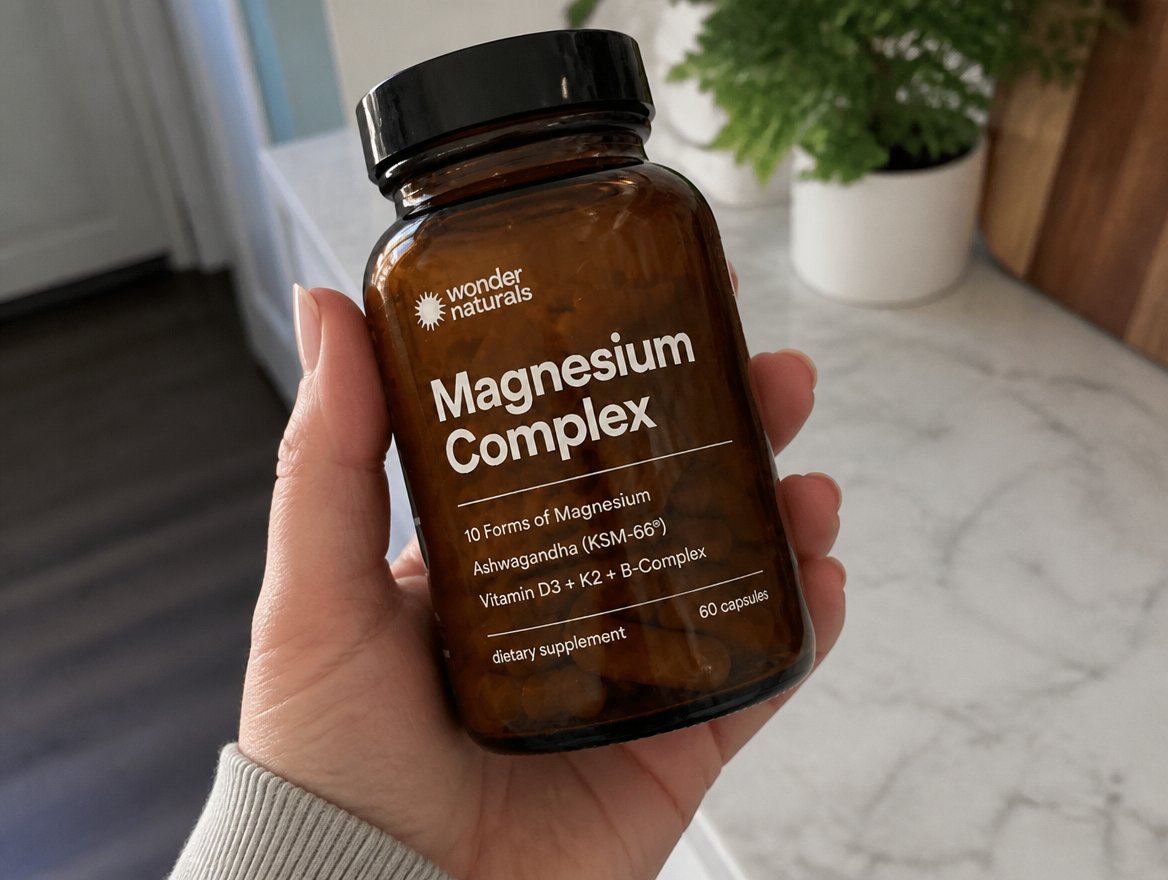
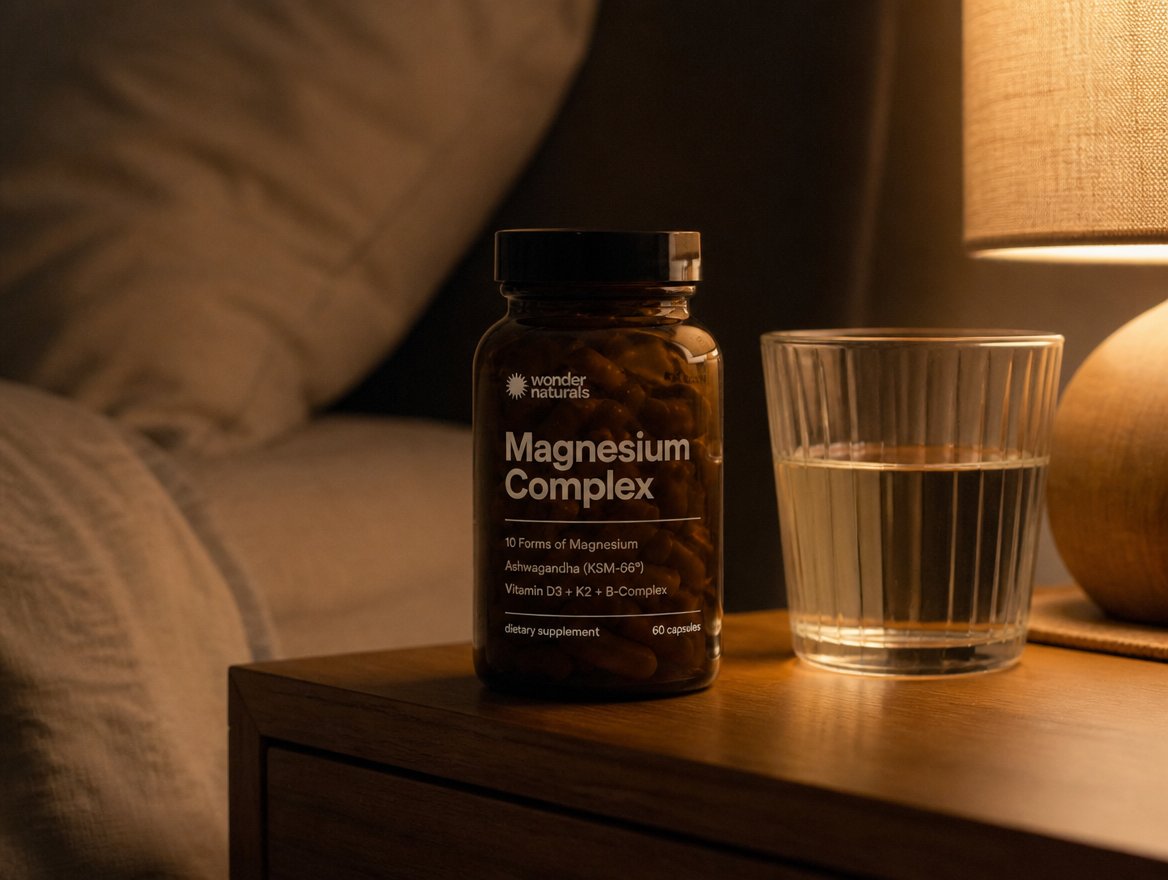
Covering the whole flat-curve problem takes the full team: that's what our Magnesium Complex is — all 10 forms, plus KSM-66® ashwagandha at a full 500mg for the daytime stress side, in one nightly serving.
-
6. Take It At Night. Get The Morning Back.
This is the part that sounds backwards: you fix daytime exhaustion at night.
Magnesium isn't a stimulant — it's what lets cortisol drop when it's supposed to. Take it 30–60 minutes before bed and it meets your cortisol at exactly the right moment. The deep sleep does the recharging.
Nights fix days. That's the entire protocol: one serving, at night, and the curve starts finding its shape again — energy in the morning, drop at night, instead of the other way around.
-
7. What The First Month Looks Like — No Miracles, Just The Curve Righting Itself
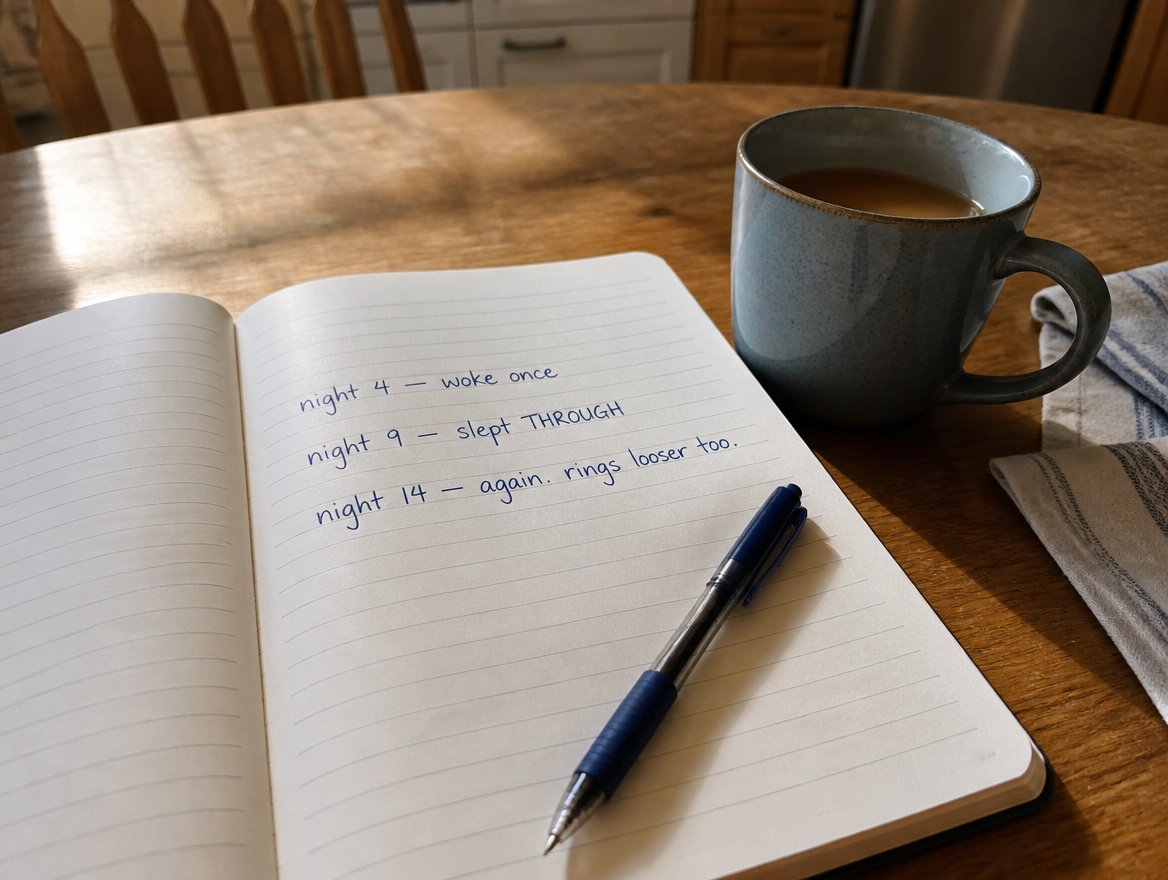
Honest expectations, because you've been burned by promises before: week one is usually nights — falling asleep faster, fewer 1am wake-ups on the couch-to-bed shuffle.
Weeks two and three are when the days follow: the 3pm wall softens, the coffee count quietly drifts down — not because you're disciplined, because you stopped needing it.
By month two it just feels like your baseline. It's a refilled deficiency, not a stimulant — it builds instead of wearing off.
And you get 90 nights to judge it, not 30. If the mornings don't change, one email refunds every penny. No return shipping, no forms, no hoops.
What Women Say After Switching To Magnesium Complex
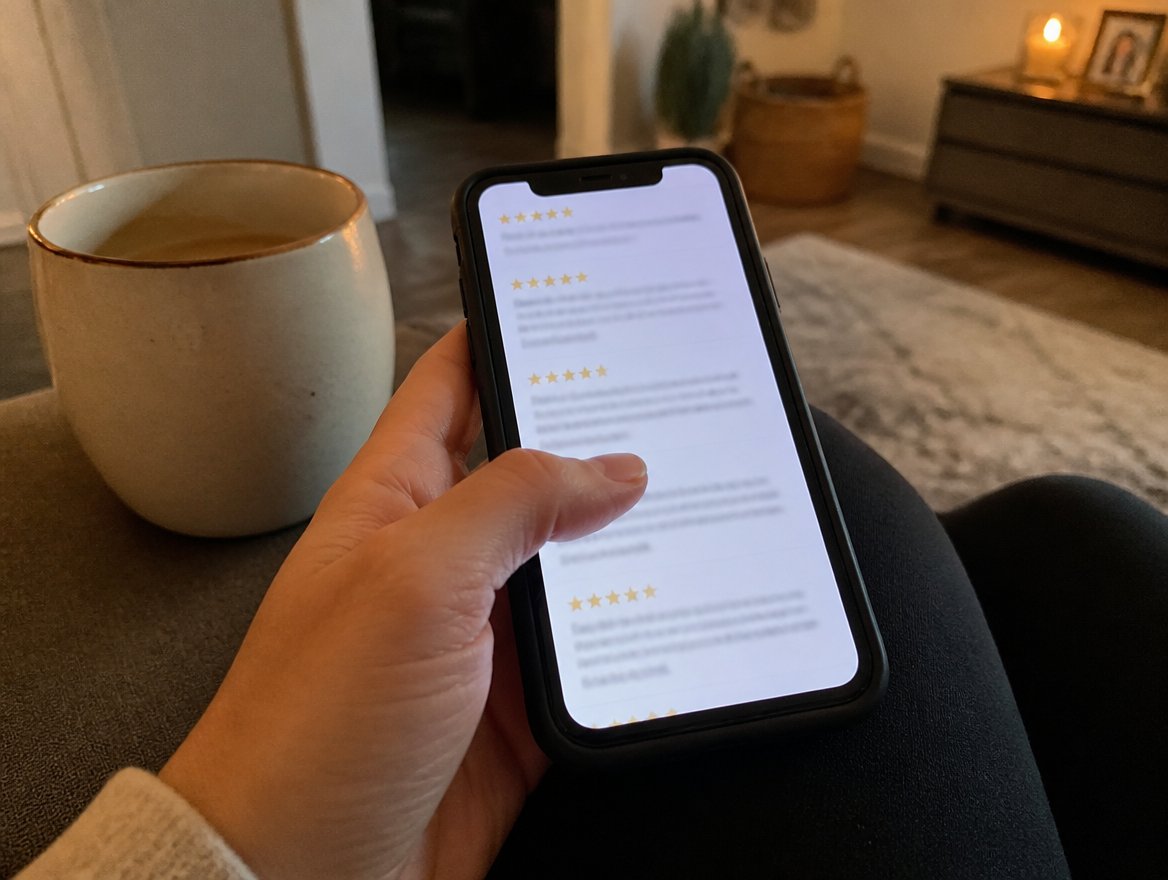
The pattern in the reviews: mornings come back first.
“I'd done thyroid, iron, B12 — everything came back 'normal.' This is the first thing that actually touched the exhaustion. I'm not counting hours to bedtime anymore.”
— Dana K., verified buyer
“I'd taken magnesium for a year and felt nothing. Turns out it was one form doing the wrong job. Two weeks on this and I finally got what the fuss was about.”
— Carla M., verified buyer
“Down from four coffees a day to one. Not because I'm disciplined — I just stopped needing them.”
— Renee T., verified buyer
Rated 4.8 across 10,000+ verified reviews. Read them all on the product page.

Try it for 90 nights — completely risk-free
10 forms of magnesium + KSM-66® ashwagandha, taken once at night. If the mornings don't change, one email refunds every penny.
See If It's In StockBacked by our 90-day, no-hoops money-back guarantee.