The Real Reason You Can't Sleep Through The Night After Perimenopause
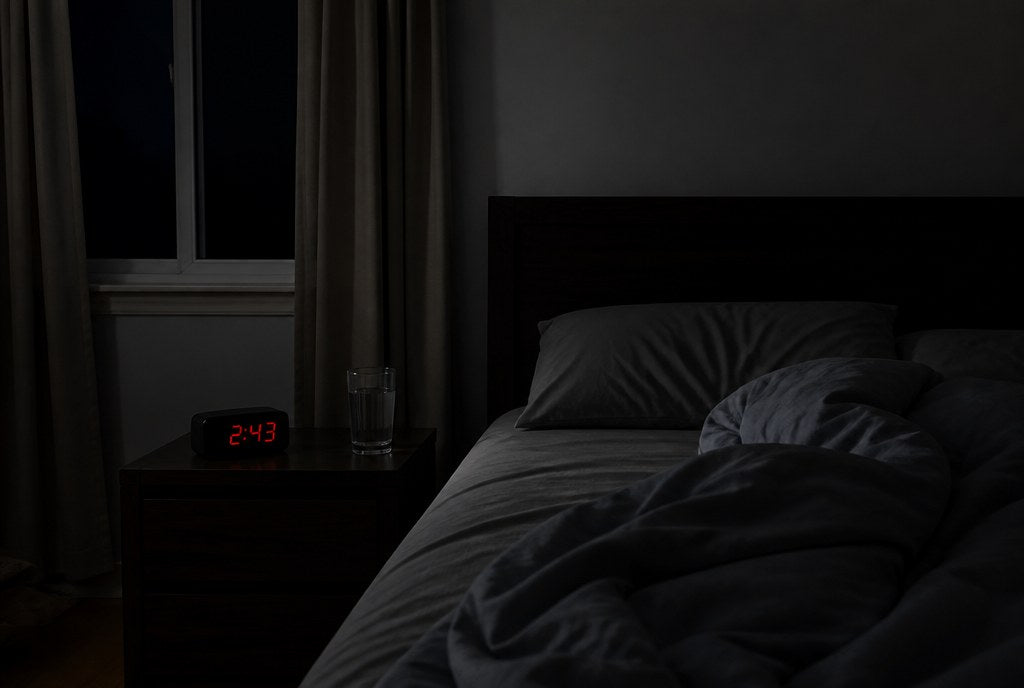

You fall asleep fine. Then somewhere between 2 and 4am, your eyes snap open. Heart beating fast. Mind wide awake. No sweat, no nightmare, no reason.
It started with perimenopause — or got much worse then. And nothing has stopped it. Not melatonin, not sleep aids, not even hormone therapy for the women who take it.
There is a real reason this happens. It isn't your age, and it isn't in your head. This article explains it in plain words — and what actually works on it.
-
1. You Fall Asleep Fine, Then Wake At The Same Time Every Night — You're Not The Only One
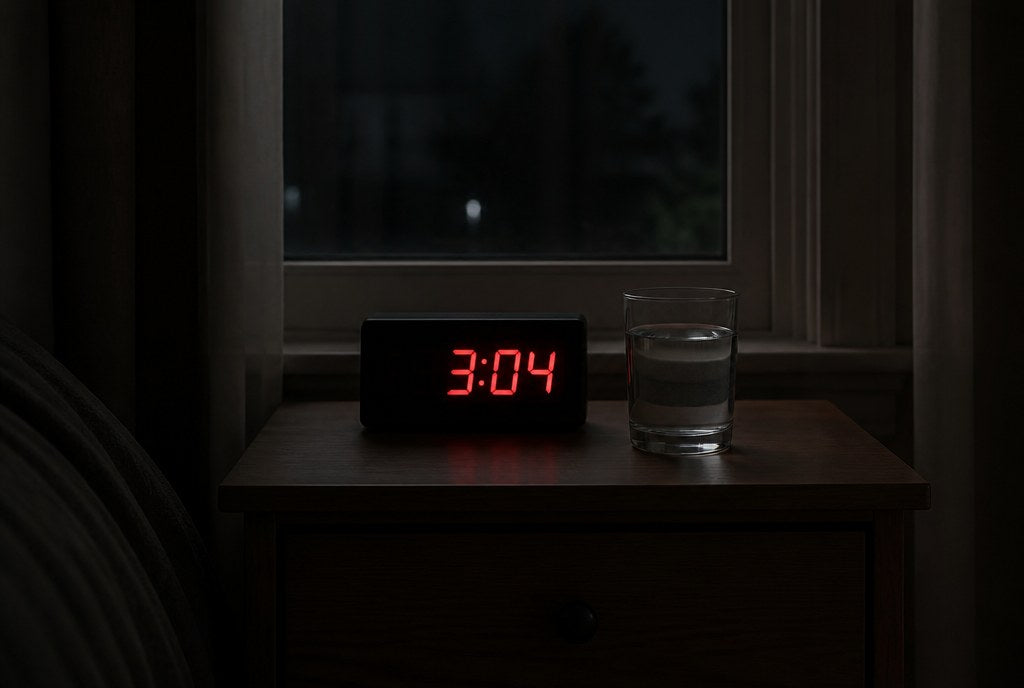
Falling asleep was never your problem. You're out by 10:30. Then between 2 and 4am — often at the exact same time every night — you're suddenly wide awake. Your heart is beating fast. Your body is tired, but your mind is ON.
This started, or got much worse, with perimenopause. And it keeps happening no matter what you try.
It doesn't matter if you went to bed at 9:30 or midnight. Same wake-up, same hour.
If this started with perimenopause, or got much worse then, keep reading. Thousands of women describe the exact same thing, at the exact same hour.
-
2. "It's Your Hormones" Is Only Half The Story — Whether You're On HRT Or Not
Maybe you're on HRT, and it helped — the flashes, the moods, the fog. Everything except this. Keep taking it. It's doing its job.
Or maybe a doctor waved you off with "that's just menopause." Or you decided hormones weren't for you. Or you're still deciding.
Here's what matters: women in every one of those groups wake at the same hour. On the patch, on progesterone, on nothing at all — same 3am.
When treating the hormones doesn't stop the wake-up, and skipping the hormones doesn't cause it, the wake-up has a different cause. That's the part nobody explains.
-

3. The Real Cause: Cortisol, Your Stress Hormone, Firing At The Wrong Time
Cortisol is your stress hormone. It's supposed to fall at night and stay low, with one small rise just before morning — your natural wake-up signal.
For years, estrogen and progesterone helped your body absorb stress. Perimenopause takes that cushion away — right when life stress is at its peak: work, kids, aging parents. Your brain is dealing with more stress than it can process in a day. So the wake-up signal fires hours early — around 3am — and tells your mind to WAKE UP.
And even when the hormones are treated, cortisol keeps its bad schedule — after years of running without the cushion, the stress system stays stuck. That's why you're tired but wired at 3am.
Nurse practitioners see this pattern in women your age all the time - a stress hormone spike waking you before dawn.
-
4. Why Melatonin, Sleep Aids — Even Progesterone — Haven't Stopped It
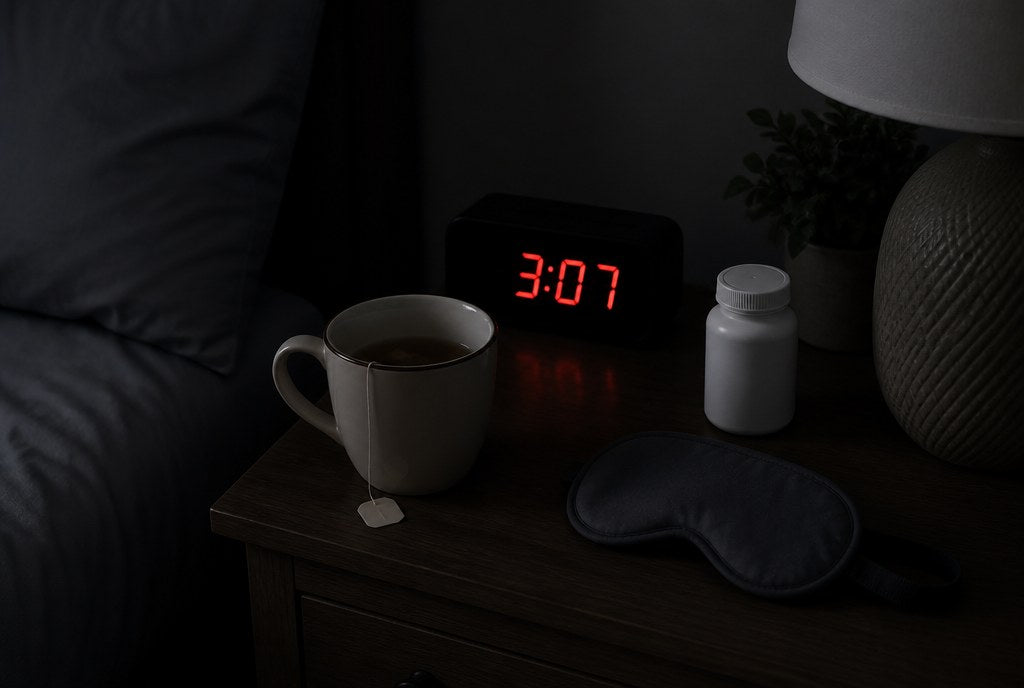
Melatonin. Chamomile tea. Sleep masks. Changing the temperature. No phone before bed. And for some of you — you've even asked your doctor and gotten medication to help you sleep.
Every one of those does the same thing: it tries to get you to fall asleep. None of it fixes the cortisol problem your body is dealing with. That's why, every night, your body can't stay asleep. Cortisol forces your mind awake — forces it to start running even when your body is screaming for rest.
And melatonin deserves a special mention: it doesn't fix anything — it tricks your body into going to bed. Take it long enough and your body slowly makes less of its own melatonin. And then there are the scarily vivid dreams.
-
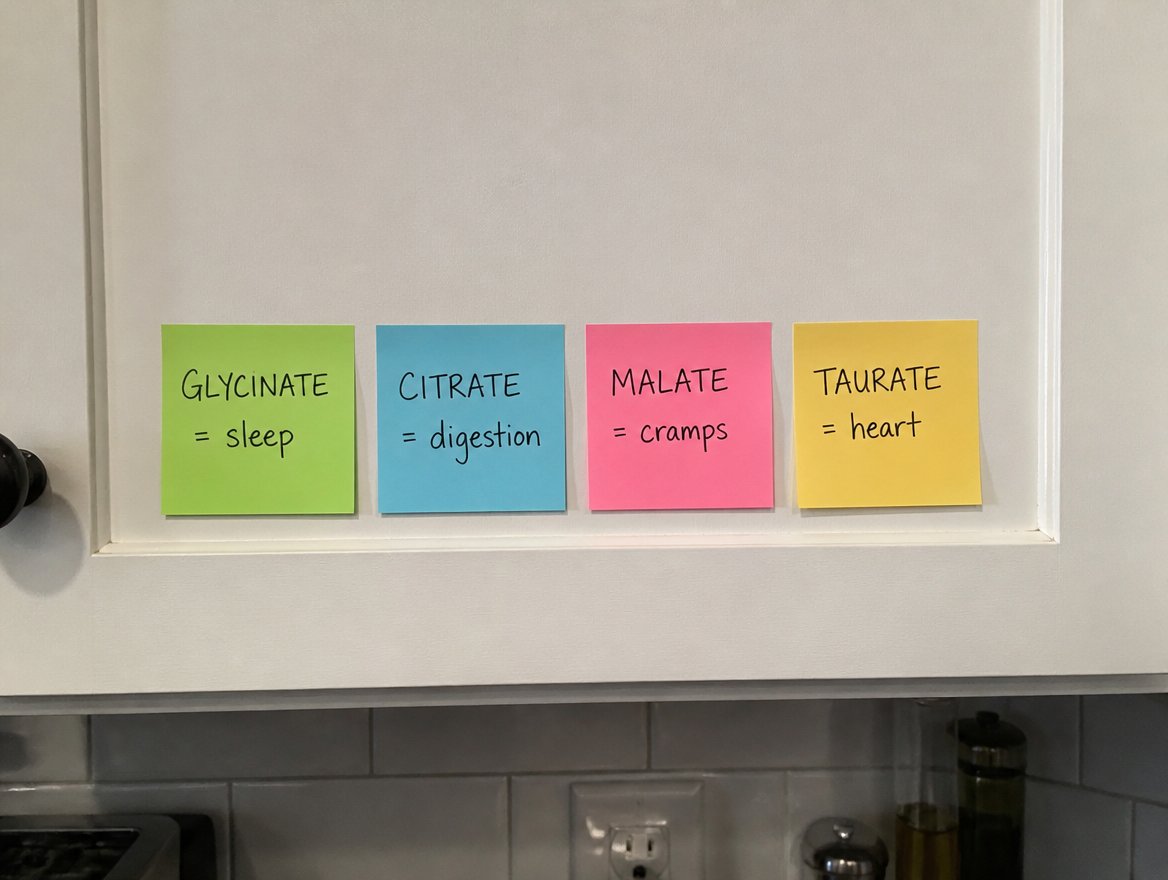
5. The Fix Is Magnesium — But It Has To Be All 10 Forms, Not One
Magnesium is the mineral your body uses to bring cortisol down at night. Stress drains it — the more stressful the years, the emptier the tank. And food alone can't keep up.
If you've tried a magnesium before and felt nothing, here's the honest reason. One form of magnesium, at a store dose, can't do the whole job. Bringing cortisol down at night — and keeping it down until morning — is more than any single form can carry.
Doing that whole job takes all 10 forms, at full dose, in one serving.
That's what our Magnesium Complex is — and it's the difference between the bottle that felt like nothing and a formula built for this.
-
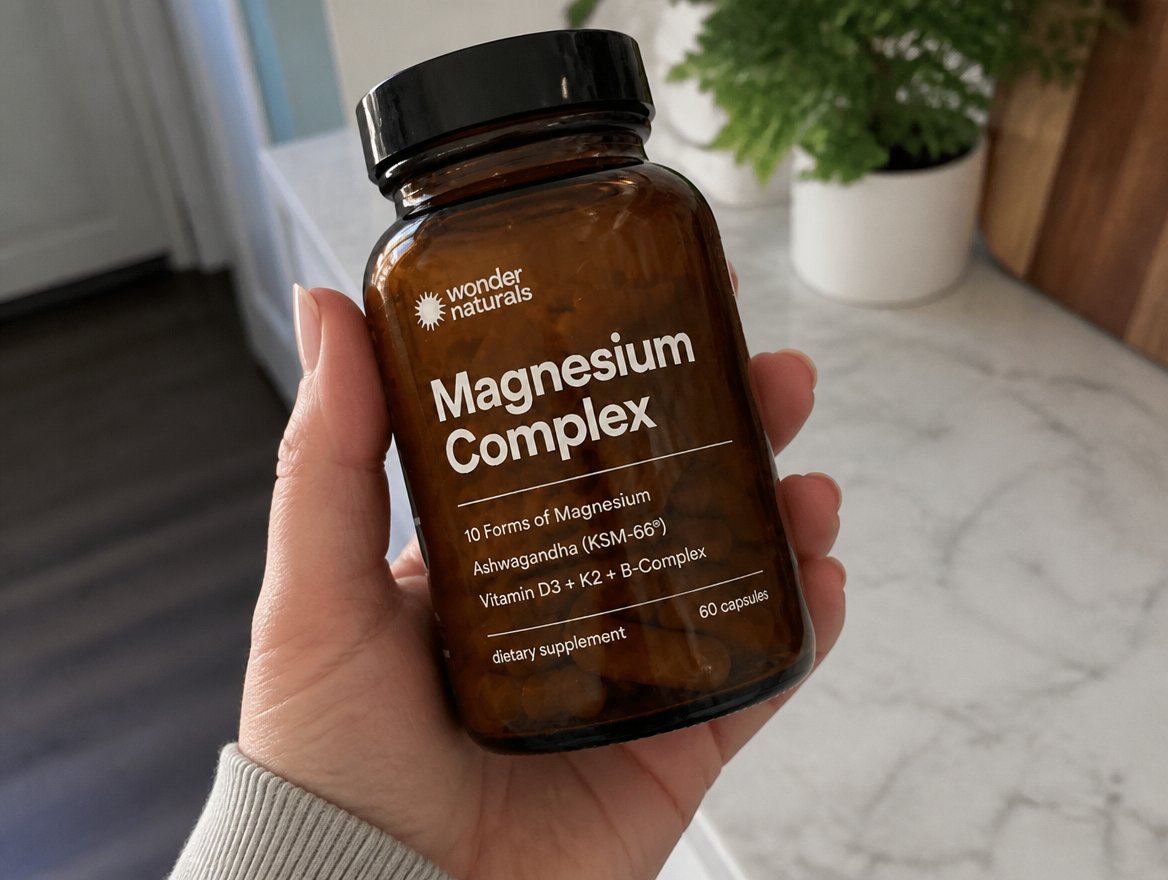
6. One More Ingredient: Ashwagandha, For The Daytime Stress Feeding The Alarm
Magnesium handles the nighttime side — it lets cortisol fall and stay low until morning. But the 3am alarm gets its power from daytime stress. That side needs its own answer.
That's KSM-66® ashwagandha, at the studied 500mg dose. It works on the daytime stress load, so by the time you get to bed, your brain can truly relax and shut off. It's the second half of the answer — not a bonus.
And if you're on treatment: there are no hormones in this formula and no melatonin. Nothing about your HRT or progesterone routine changes.
Every ingredient and amount is printed on the label — show it to your doctor if you'd like a second opinion.
-
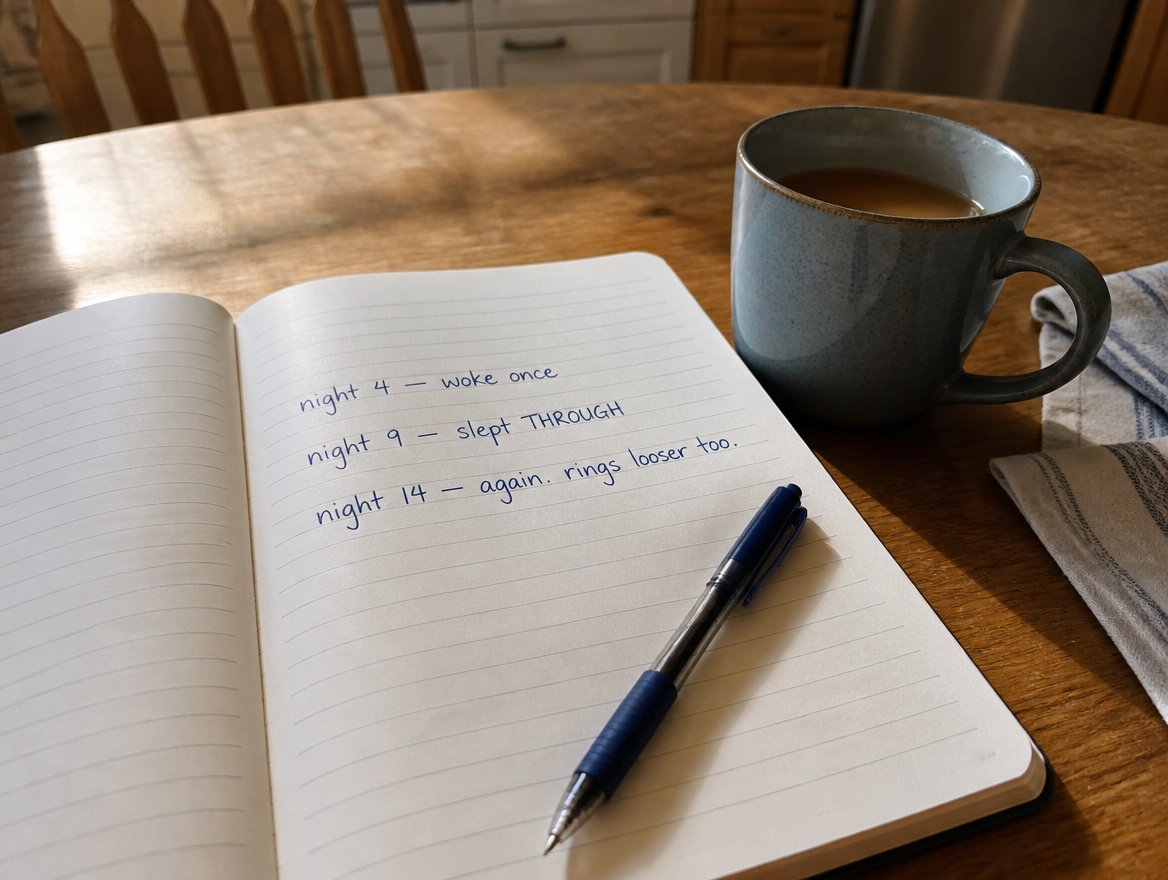
7. What It Feels Like — And 90 Nights To Prove It To Yourself
Women describe it the same way: like a weight has been lifted off your mind. You sleep. You wake up more rested than you have in weeks. You get through the day clear-headed, without brain fog clouding over you.
And no grogginess — nothing in it sedates you. It works with your body's own schedule instead of knocking you out.
It's one capsule, once nightly, 30–60 minutes before bed.
You get 90 nights — a full three months — with a money-back guarantee.If your nights don't change, one email refunds every penny.
What Women Say After Adding Magnesium Complex
Three reviews from women who fell asleep fine — and couldn't stay asleep.
“The patch took care of my hot flashes and the mood swings, but I was still waking up at 3 in the morning wide awake. My nurse practitioner thought it might be cortisol and said magnesium was worth trying. Took about three weeks, but I finally slept through the whole night for the first time in probably two years. I'm still on my HRT, I just take this too.”
— Denise K., 54, verified buyer
“I would wake up around 3:15 with my heart going and my brain instantly on. Just wide awake, every night since perimenopause. Nobody could explain it to me. I've been on this about two weeks and it has mostly stopped. When I do wake up now, I fall back asleep instead of staring at the ceiling until my alarm.”
— Marianne T., 51, verified buyer
“My progesterone gets me to sleep fine, but I was still waking up at 3 most nights and I didn't want to keep raising the dose. So I kept everything the same and just added this at bedtime. It's been about a month and I sleep through most nights now. My husband noticed before I did, honestly.”
— Beth R., 49, verified buyer

Sleep through the night again — try it for 90 nights, risk-free
10 forms of magnesium + KSM-66® ashwagandha in one capsule, once nightly. Hormone-free and melatonin-free — works alongside HRT or on its own. If your nights don't change, one email refunds every penny.
Try It For 90 NightsBacked by our 90-day, no-hoops money-back guarantee.