Home › Men's Health › Testosterone
9 Reasons Cortisol Dysregulation Is Ruining Your Testosterone

By Mark Hale
Contributing Health Editor
3 min read·September 12, 2026
I'm Mark. By my late 30s I felt like a shell of the man I used to be. No energy, no drive, a dead bedroom. I figured my testosterone was tanking, and everyone told me that's just what happens when you get older. I never believed that was the whole story.
I was right. The real reason my testosterone was dropping had nothing to do with age. And once I fixed it, I got myself back. Here's exactly what I learned. ↓
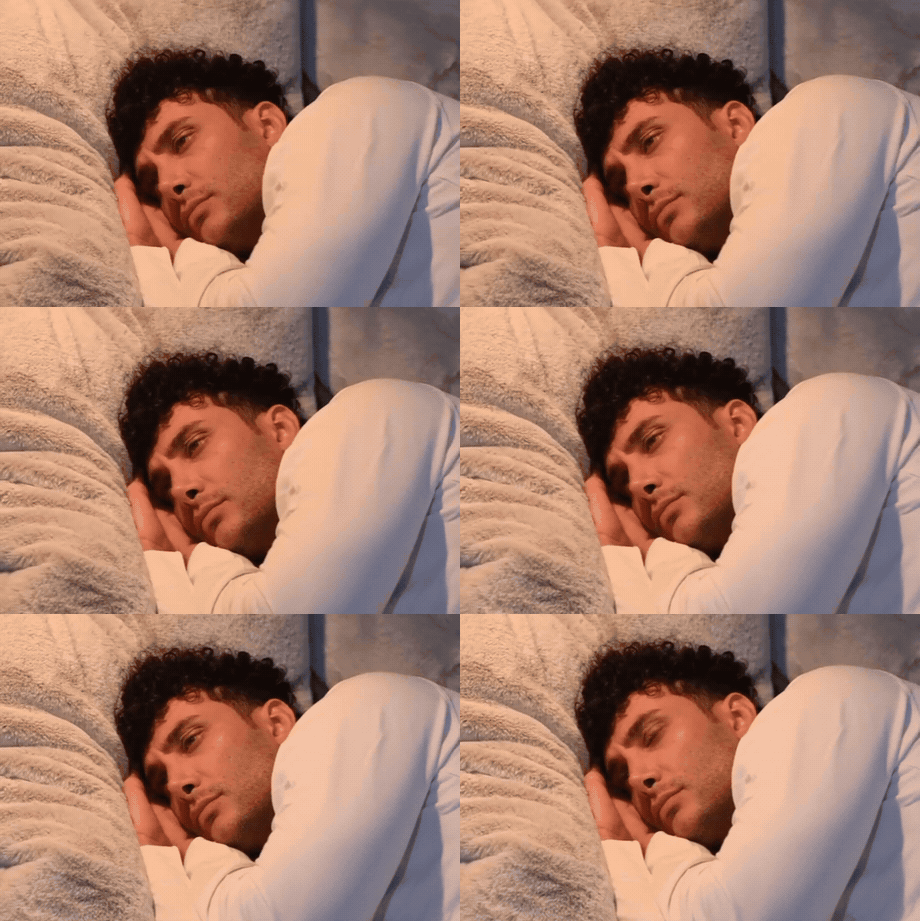
You know the symptoms. No energy. No drive. Dead by mid-afternoon, and the bedroom's gone quiet. You're pretty sure your testosterone is slipping, and you're probably right.
What you got wrong is the reason. Everyone told you it's just age, or that you're stuck with it. You're not. Your testosterone isn't failing on its own. Something is actively dragging it down, night after night.
But luckily, there's a solution. ↓

Your body doesn't build testosterone during the day. It builds it at night, in deep sleep. That's the repair shift.
And to reach that deep sleep, your body needs magnesium. Without it, you never drop deep enough. And without that deep sleep, your body can't make testosterone.
Then why isn't it working for you? ↓
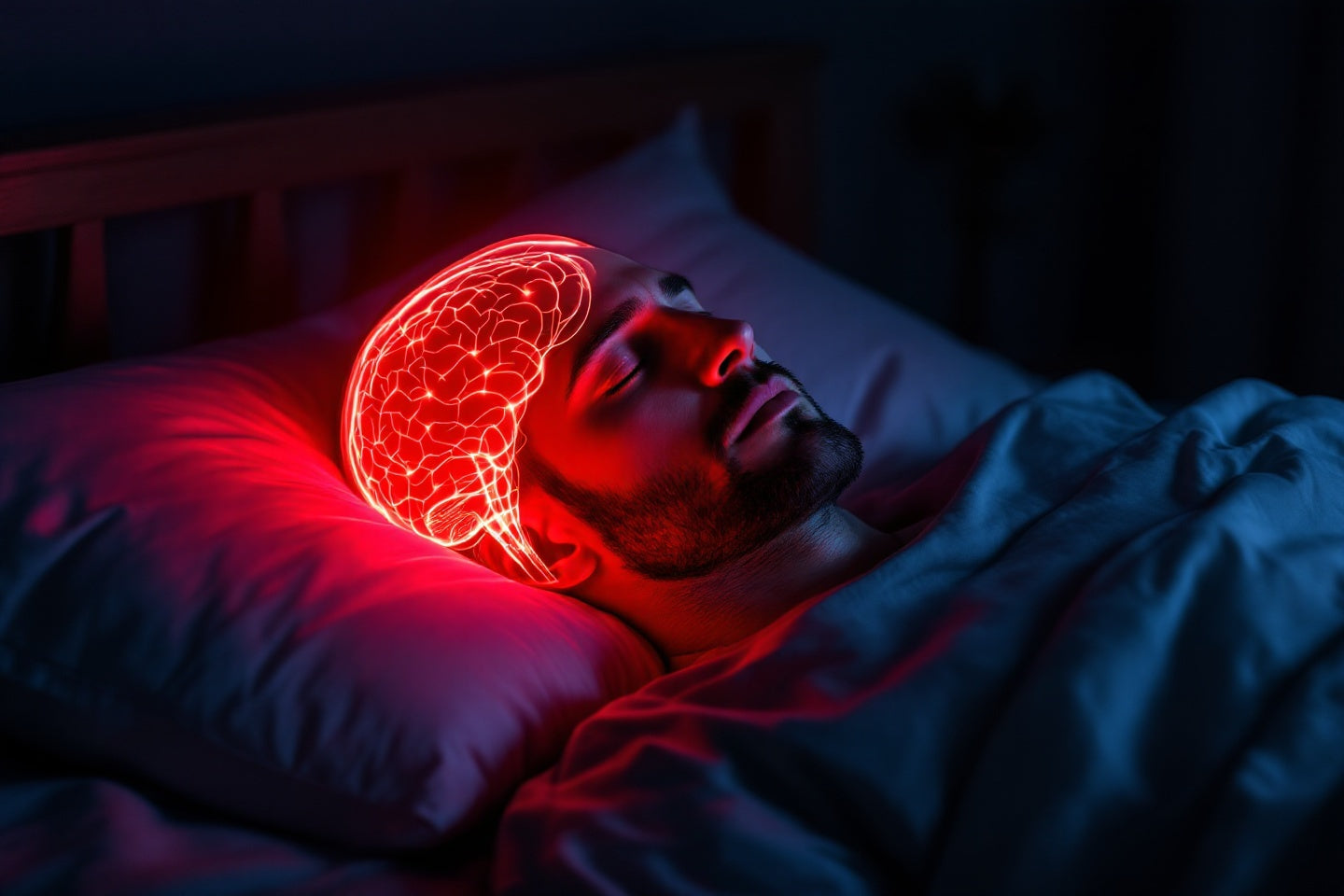
Cortisol is your body's alarm hormone. It's supposed to be at rock bottom at night so you can sink into deep sleep. Yours isn't. It's spiking in the small hours, exactly when it should be quiet. There's a name for it: cortisol dysregulation.
Every spike yanks you up out of deep sleep. Usually it doesn't even wake you. You just surface, drift back, and never remember it. So even if you manage to sleep eight hours, your body never finishes rebuilding your testosterone.
But what if you're not even stressed? ↓
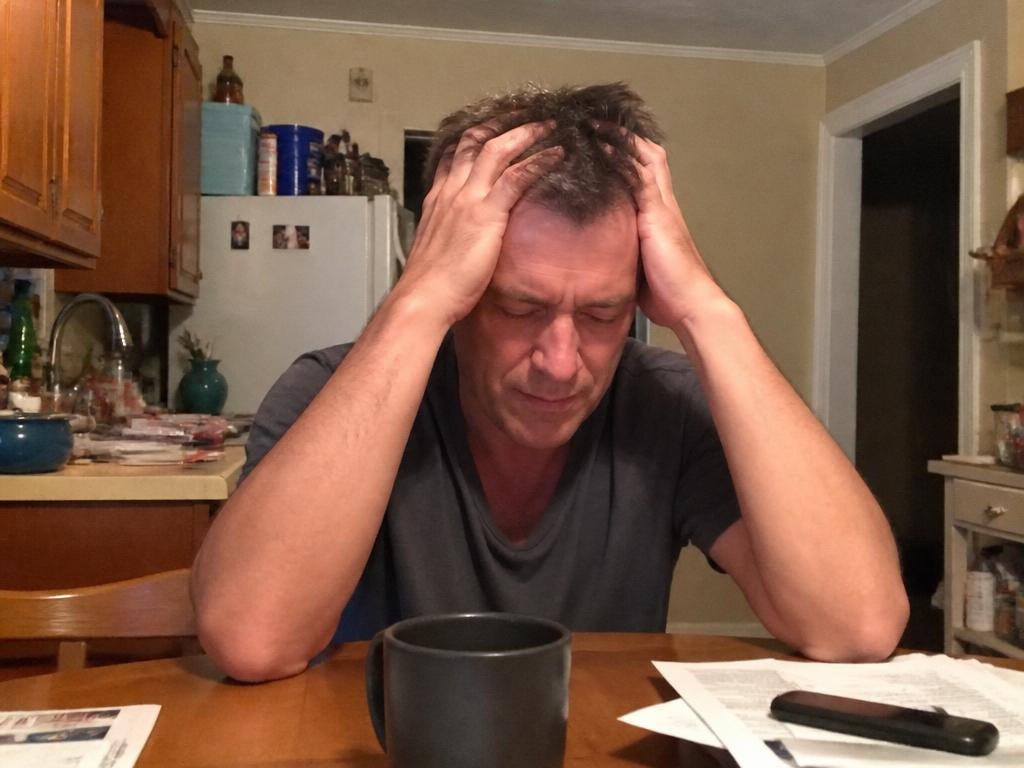
Most men hear “cortisol” and think stress, so they try to relax, and nothing changes. But this isn't about your daytime stress. It's a nighttime problem: a hormone firing at the wrong time, while you're unconscious.
Quick test, right now: check your forehead and your eyebrows. Fully relaxed? If they weren't, that's dysregulated cortisol, running even when your mind is calm. You can't meditate or morning-routine your way out of a hormone that fires while you're asleep.
Where did this even come from? ↓
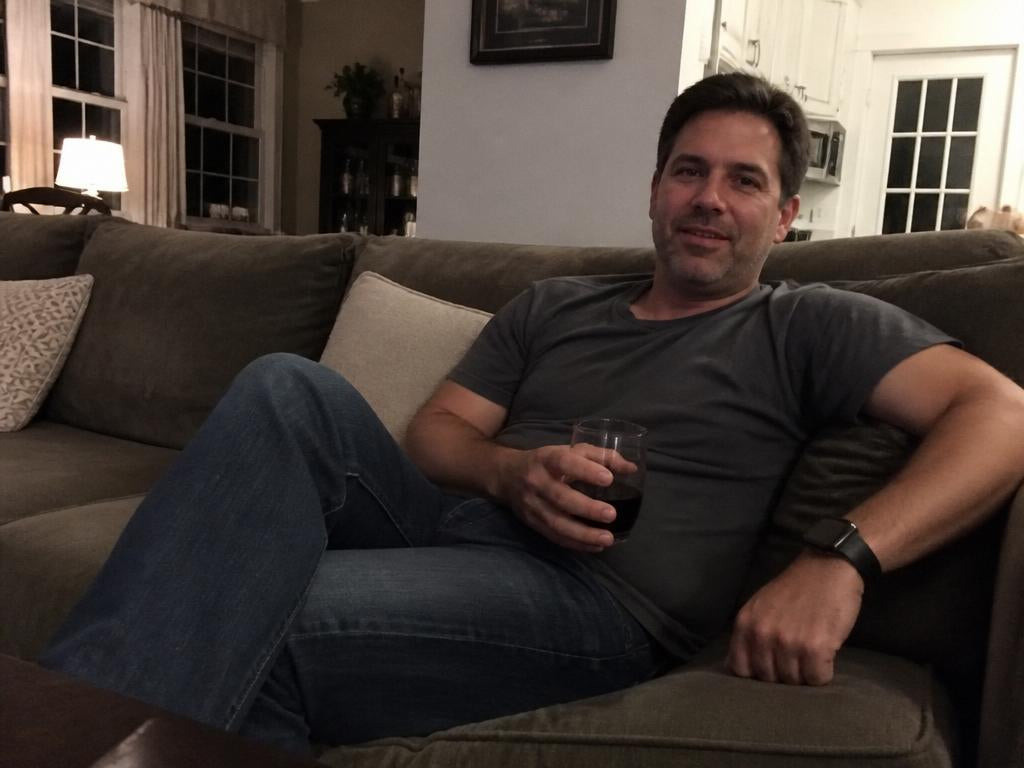
Your body was built to handle stress in bursts. Hit it hard, then recover. It was never built for the way men actually live now.
The pressure to provide. A job that never switches off. The coffee to push through, the drink to come down. Do that for years, and your nervous system loses the ability to switch cortisol off at night. So it stops, and the nightly spikes begin.
And why hasn't anything you've tried worked? ↓

You've trained harder, you've cleaned up your diet, and you fixed up your sleeping routine, but felt no different. Maybe you even tried all the basic testosterone-boosting supplements, and they did nothing.
And that's because none of them touch the cortisol dysregulation that is ruining your sleep. Without fixing the root cause, your testosterone will never recover.
How do you get your testosterone back? ↓
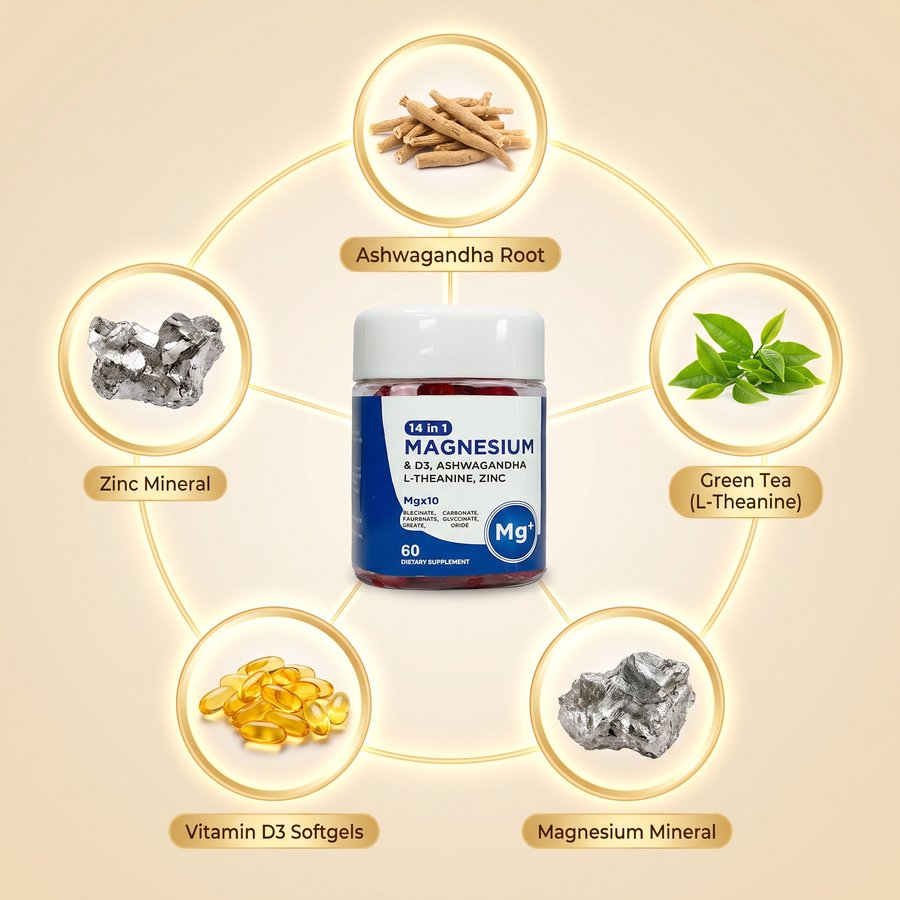
You don't force testosterone up. You give your body back the deep sleep it needs to rebuild it, and let it do the rest.
Two things need to happen together: quiet the cortisol so it stops spiking at night, and give your body back the magnesium it needs to reach deep sleep. Do both, and you finally get the deep sleep where your testosterone gets rebuilt.
The gummy built for exactly this is WonderCalm. Five ingredients, each with a different job:
One gummy a day. No prescription, nothing unnatural.
And how fast would you feel it? ↓

I figured it'd take months. It didn't. Inside the first week or two, the brain fog started lifting, my energy came back, and I could even feel my sex drive improve.
From there it only kept getting better. My body started feeling like it used to. Like it was supposed to.
Could it really work for you too? ↓
 u/back_in_gear
 u/grindathan
 u/quiet_comeback
I'm not the only one. Once men stop chasing their testosterone and fix the sleep their cortisol dysregulation was wrecking, you see the same story over and over: the energy, the drive, the edge, all coming back.
And WonderCalm comes with a 90-day guarantee. Take it every day for three months. If you don't feel like yourself again, you get every penny back. No hoops.
If you've been burned enough times that you're scared to get your hopes up again, that's exactly what this is for.
Take it every day for 90 days. Still don't feel like yourself? Email us and you get a full refund. You don't even send the bottles back.
Try It Risk-Free


“My labs were ‘normal’ but I felt like a ghost, no drive, no spark, exhausted by 2pm. Around week three I noticed I actually wanted to do things again. First time in two years I feel like me.”
A standard panel measures total testosterone, and it can still read “normal” even as it slips, because the number lags behind how you feel. What the panel doesn't check is your sleep. Cortisol spiking at night is stealing the deep sleep where your body rebuilds testosterone, so you feel drained long before that number ever falls out of range. That's why “you're fine” and “I feel awful” can both be true at once.
Boosters try to force more testosterone out of a body that isn't rebuilding it in the first place, because your sleep is broken. They don't touch the nighttime cortisol wrecking the deep sleep where your testosterone is actually made, so nothing changes. This works the other way: calm the cortisol, get your deep sleep back, and your body rebuilds its own testosterone the way it's supposed to.
Right, and that's the whole point. Cortisol dysregulation isn't stress; it's a control system that stopped switching cortisol off, worn down over years of short sleep, grind, caffeine and alcohol. The stress that started it is long gone; the malfunction stayed. Your life can look calm while your body still runs high, which is exactly why relaxing never fixed it.
A slow, gentle decline is normal. Feeling wiped out, flat and checked-out in your 30s and 40s is not, that's faster and harder than age alone explains. When cortisol is the one suppressing your testosterone, it feels like premature aging, and unlike age, that's something you can reverse.
One gummy a day. Most men notice the drive and mental clarity come back first, usually within a week or two, then the energy and sleep, then the gym starts responding again. Give it a few weeks to feel fully like yourself.
It's non-hormonal, so it works alongside TRT, it handles the cortisol side that testosterone therapy doesn't touch. If you take any prescription medication, check with your doctor first, especially about the ashwagandha.
These statements have not been evaluated by the Food and Drug Administration. This product is not intended to diagnose, treat, cure, or prevent any disease. Individual results vary.