Home › Liver Health › Alcohol & Your Liver
7 Reasons This Milk Thistle Formula Is The #1 Liver Support For People Who Still Drink

By Daniel Foster
Contributing Health Editor
2 min read·August 5, 2026
If you drink, and you’ve felt the dull ache under your right ribs, or the belly that won’t go down no matter what you cut, you already know what’s going on in there.
Alcohol becomes acetaldehyde. Acetaldehyde damages liver cells. The enzymes your liver needs to process the next drink leak out, and it falls further behind every weekend.
So the question isn’t what’s wrong anymore. It’s what actually fixes it.
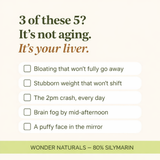
Here’s what most people reach for first:
Every one of those is aimed at a different problem than the one you have. Here’s why this formula isn’t.

Nearly every liver supplement on the shelf is written for someone who already quit. Read the label and you can hear the assumption underneath it: the drinking has stopped, and now you’re cleaning up after it.
That’s not the situation most people are actually in. There’s always a reason to come back. A game, a night out, something to take the edge off.
This one was built for that. Silymarin works at the liver cell, not at your glass. It shields the cell whether you had two drinks last night or none.
You don’t have to quit for it to do its job. Less alcohol always means less for your liver to process, and nobody’s going to pretend otherwise. But this supports the liver you actually have, not the liver of someone who’s lived perfectly.
Which raises the obvious question about every other liver bottle out there. ↓

Pick up almost anything marketed for liver health and look at what it actually does.
Detox teas and dandelion root move things through you. Bile, water, waste. That’s flushing.
Cleanse protocols and stricter diets do something else entirely. They hand your liver less work to get through.
Cutting back does the most of any of them, and even that only pauses the new damage for as long as you keep it up.
Every one of them works on what goes in. None of them reach the cell where alcohol does the damage. The enzyme leak is one level down from anything a tea or a diet can touch.
So what does reach the cell? ↓
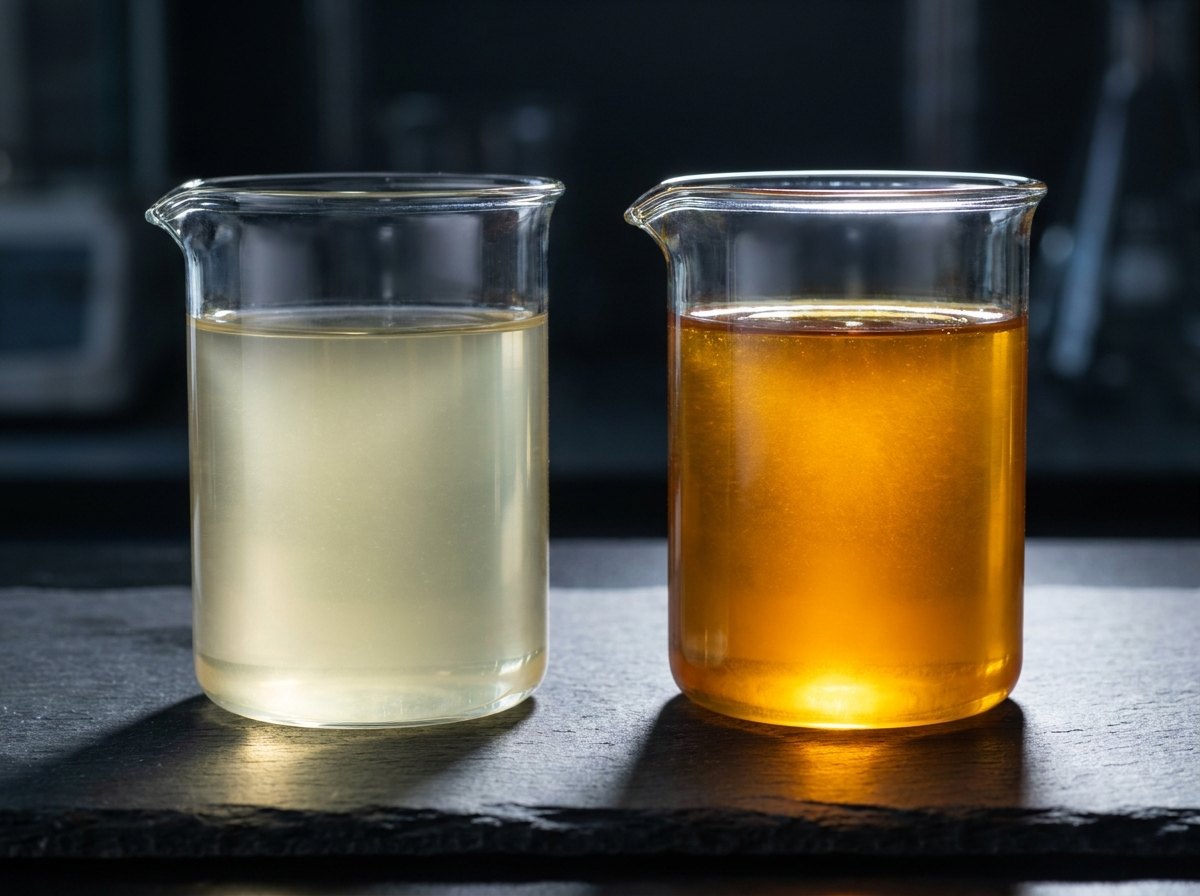
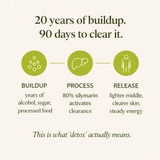
Milk thistle’s active compound is called silymarin, and it’s the part that does the work. It forms a shield around the liver cell so acetaldehyde has a much harder time tearing it apart, and it helps rebuild the cells that already took damage.
But how much of it is in the bottle decides whether any of that actually happens.
The research used silymarin standardized to 80% concentration. Turn over almost anything at the drugstore and you’ll find 30% to 50%. Plenty of bottles never print a percentage anywhere on the label, which tells you everything about what’s in there.
So before you buy anything, including this: read the back of the bottle and find the standardized number. If there isn’t one, you’re paying for milk thistle, not for silymarin.
And the reason 80% is the number has nothing to do with marketing. ↓
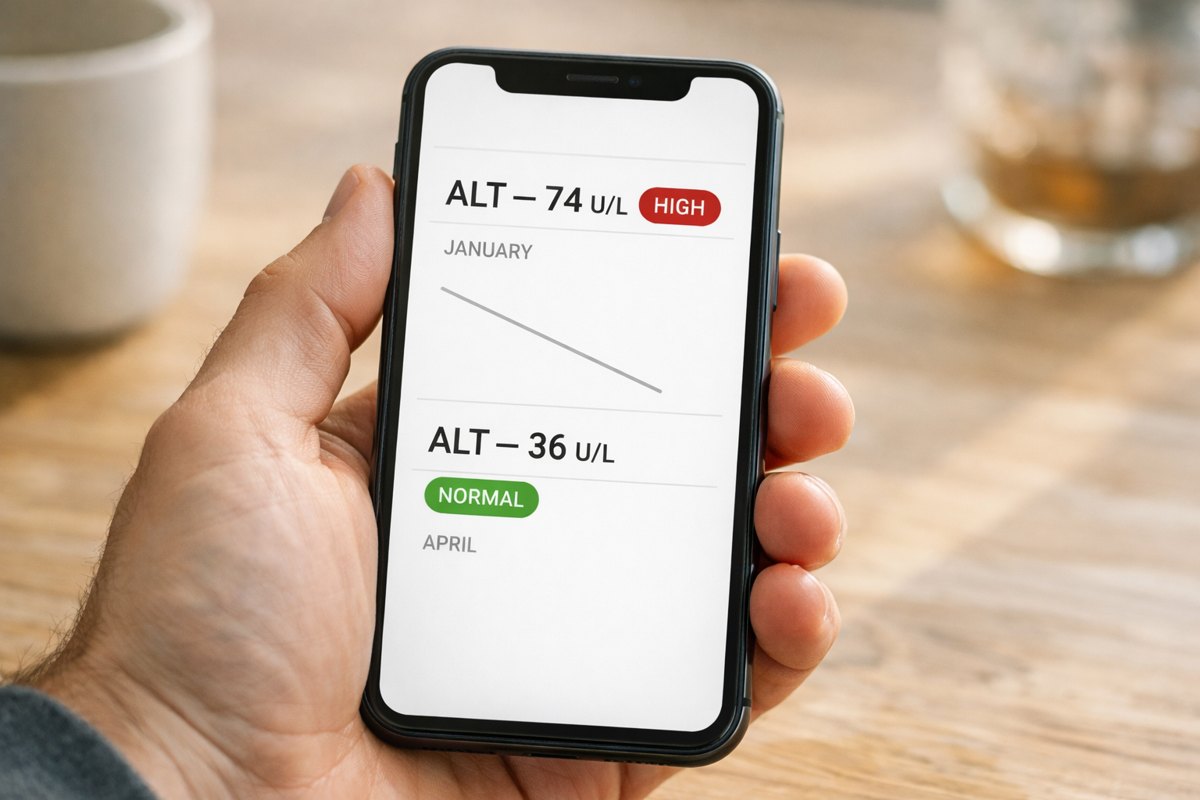
Silymarin isn’t a new ingredient anyone invented for a label. It has been studied in liver disease since the 1970s, and it keeps turning up in the literature for the same handful of reasons: it stabilizes the liver cell membrane, it supports the liver’s own ability to regenerate, and it helps bring elevated liver enzymes back down.
That’s a different thing from an ingredient that simply sounds impressive. A lot of what gets sold for liver health has a compelling story behind it and almost nothing published.
You don’t have to take anyone’s word for this one. Search silymarin and liver and the research is public and easy to read. That’s exactly why this formula leads with the compound and prints the concentration on the front.
Though silymarin isn’t doing all of it alone. ↓

Silymarin does the work at the cell. The other five handle the jobs around it.
Every one of them is on the label with the amounts printed and no proprietary blends, so you can see exactly what you’re getting.
One capsule a day. No cleanse week, no protocol to follow, and nothing you have to give up.
Here’s what people report once they start. ↓
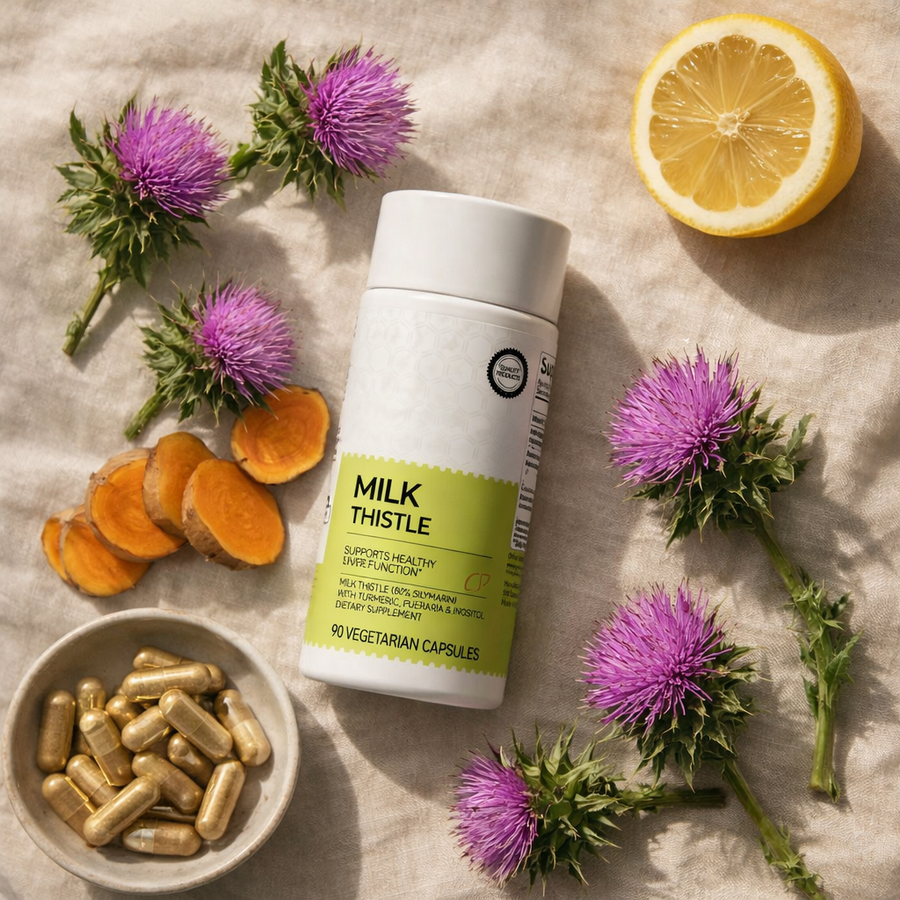
The formula has been through more than ten thousand customers now, and it holds a 4.8 out of 5.
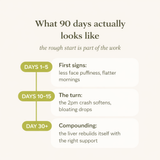
What people report back is consistent, and it starts earlier than most expect. Mornings go first. You wake up after a night out and you don’t feel like you got hit by a truck, because your liver actually cleared it overnight instead of leaving it sitting in you.
Then the belly starts going down and stops feeling hard. The ache under the ribs settles. The two o’clock crash stops being a daily event.
As one customer put it: “Six weeks in the ache is gone and I’m not waking up feeling poisoned. I didn’t change one other thing.”
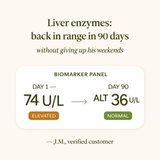
And if you’re the type to get bloodwork done, that’s where the leak shows up as a number coming back down.
Which leaves only the question of what it costs you to find out. ↓

Ninety days isn’t an arbitrary number. It’s one full retest cycle, which is long enough that if you do get your liver numbers checked, you’ll have a before and an after to compare.
Take it every day for the full ninety days. If you’re not happy with how you feel, or with your liver numbers, email us and you get a full refund. You don’t even send the bottles back.
The only thing you’re risking is the time it takes to find out.
Take it every day for 90 days — one full retest cycle. If you’re not happy with how you feel, or with your liver numbers, email us and you get a full refund. You don’t even send the bottles back.
Try It Risk-Free
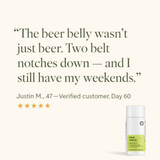
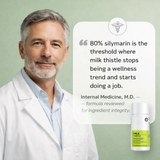


“I’m 52 and I’m not going to sit here and pretend I’m quitting. A couple beers most nights, more on a weekend. I started this because of the ache under my right ribs and a gut that wouldn’t go down. Six weeks in the ache is gone and I’m not waking up feeling poisoned. I didn’t change one other thing.”
No, and that’s the entire point of it. Silymarin works at the liver cell, not at your glass. It shields the cell and stops the leak whether you had two drinks last night or none. Less alcohol obviously means less for your liver to process, and nobody’s going to tell you otherwise. But this was built to support the liver you actually have, not the liver of someone who’s lived perfectly.
It depends on whether what you’ve is damage or scar tissue. Damaged liver cells rebuild, and your liver is the only organ in your body that does that. Scar tissue doesn’t. That’s the line between the early stages and cirrhosis, and it’s why the timing on this matters far more than the number of drinks.
Fair question, and the answer is no. Silymarin is a plant extract that has been studied in liver disease for decades and it’s well tolerated. It’s not one more thing for your liver to process, it’s cover for the cells doing the processing. If you take prescription medication, especially for blood sugar, blood pressure, or cholesterol, check it against the label before you start.
Turn them over and read the silymarin number. That’s the whole comparison, and it takes about ten seconds a bottle. The research used 80% standardized silymarin. Most of what’s on the shelf runs 30% to 50%, and a lot of bottles never print a percentage at all. We print it on the front because it’s the reason the formula does anything.
Mornings usually go first, inside the first week or two — you wake up after a night out without feeling wrecked. The bloating and the hard stomach tend to follow, then the afternoon crash. Liver numbers run on your retest schedule, which is exactly why the guarantee is 90 days: one full cycle, so you can judge it on your own bloodwork instead of on promises.
Then it costs you nothing. Take it every day for 90 days, a full retest cycle, and if you’re not happy with how you feel or with your liver numbers, email us for a full refund. You don’t even send the bottles back.
— Daniel
These statements haven’t been evaluated by the Food and Drug Administration. This product isn’t intended to diagnose, treat, cure, or prevent any disease. Individual results vary. Always consult your physician about your liver health and before starting any supplement.