Waking Up At 3AM Every Night? That's Cortisol.
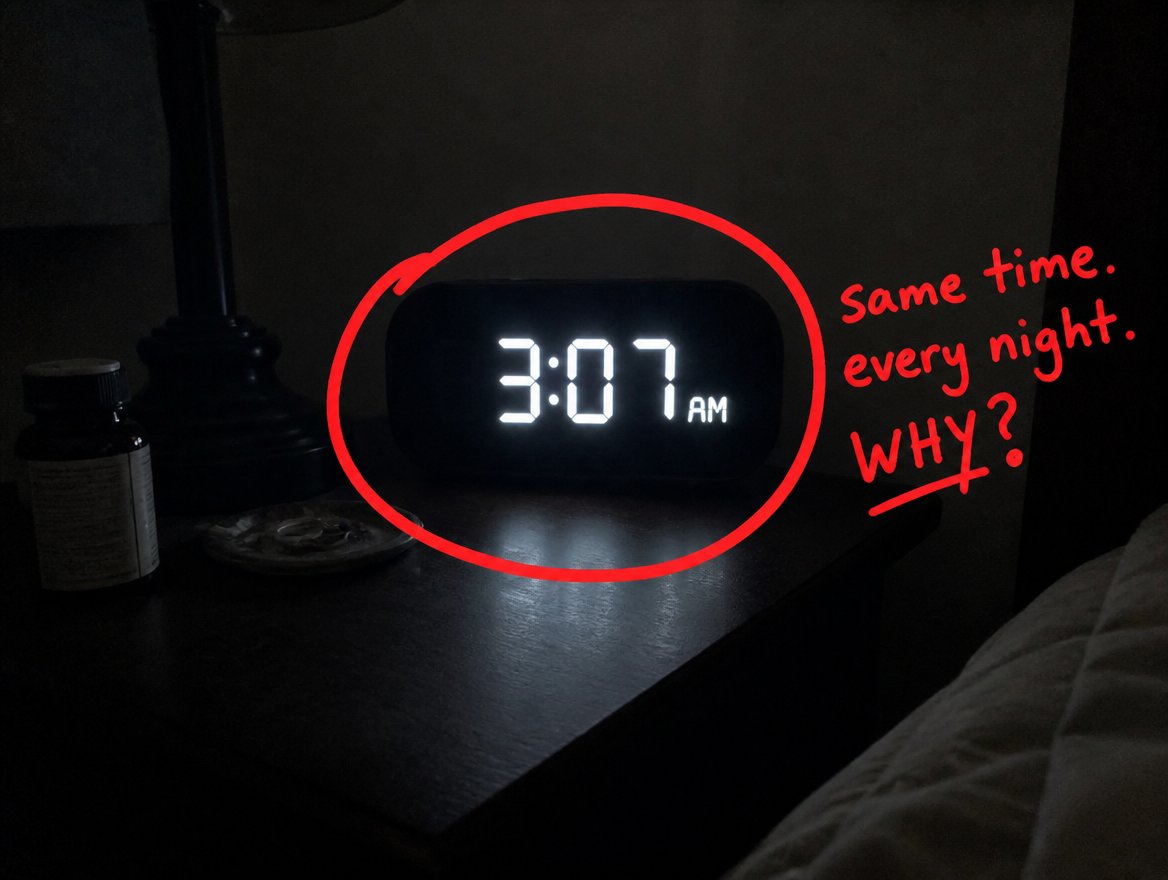

It's not random, and it's not just “getting older.” Waking at the same time every night — wide awake, mind racing — is what a cortisol spike feels like from the inside.
Cortisol is supposed to drop at night. When the mineral that regulates it runs out, it fires at 3am instead. And chronic stress has been draining that mineral for years.
Here's what's actually happening — and why thousands of women are fixing the mineral instead of buying another mattress.
-

1. It Was Never Insomnia — It's A Cortisol Spike
Insomnia is trouble sleeping. This is different: you fall asleep fine, then snap awake at the same time every night, alert enough to run a board meeting.
That's not a sleep problem. That's your stress hormone firing four hours ahead of schedule.
Your body uses magnesium to switch cortisol off at night. Years of stress quietly drain it — and once it's gone, the 3am alarm gets set for you.
You can't out-discipline a hormone. But you can restock the mineral that regulates it.
-
2. The Off-Switch For Cortisol Is A Mineral — And Yours Ran Out
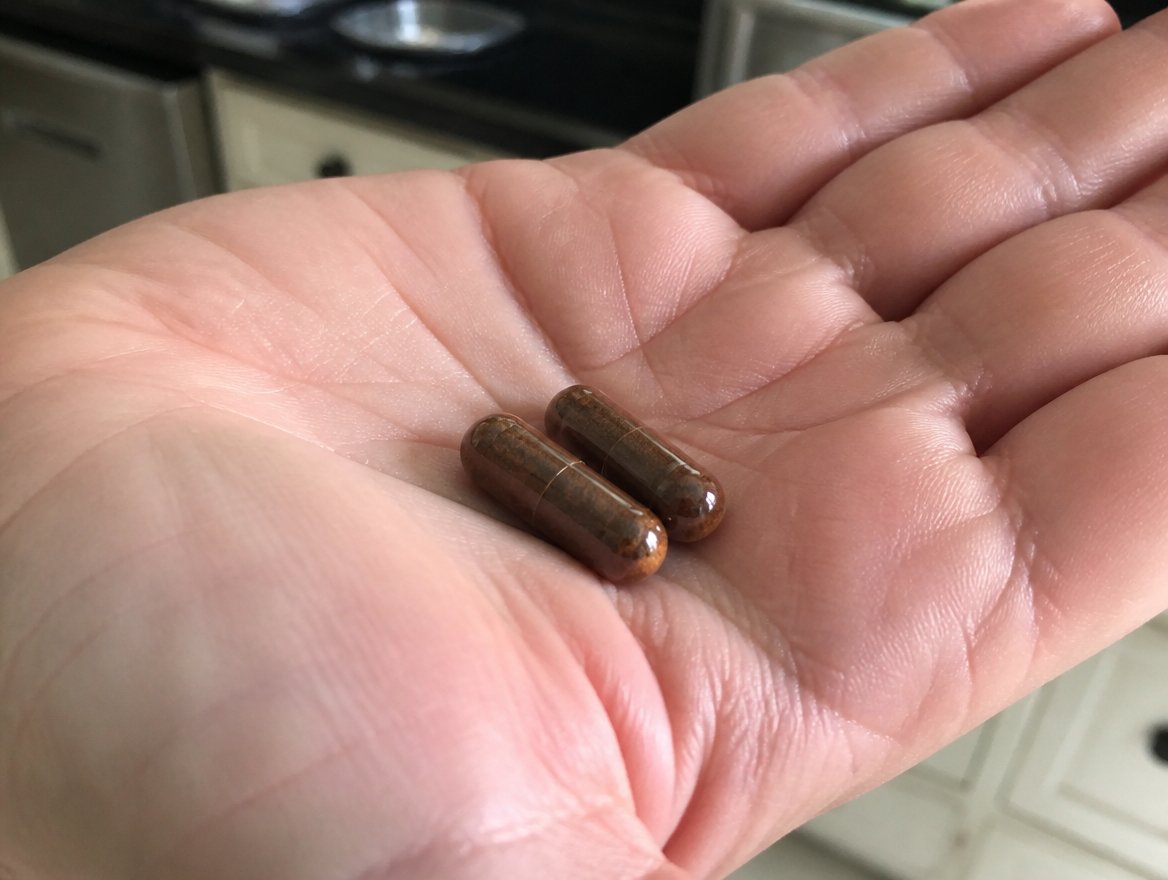
Your body has a built-in brake for cortisol: magnesium. It's the mineral your nervous system uses to switch the stress response off — especially at night, when cortisol is supposed to fall and stay down.
The problem: stress spends magnesium. Coffee spends it. Workouts, deadlines, years of birth control — all withdrawals from the same account. Researchers estimate roughly 73% of women are running low.
And food can't keep up. You'd need cups of spinach and handfuls of pumpkin seeds every single day just to break even — while stress keeps spending faster than you can eat.
Low magnesium, unregulated cortisol, 3am. That's the whole chain. The fix isn't another hack — it's refilling the brake.
-
3. One Form Of Magnesium Can Only Do One Job
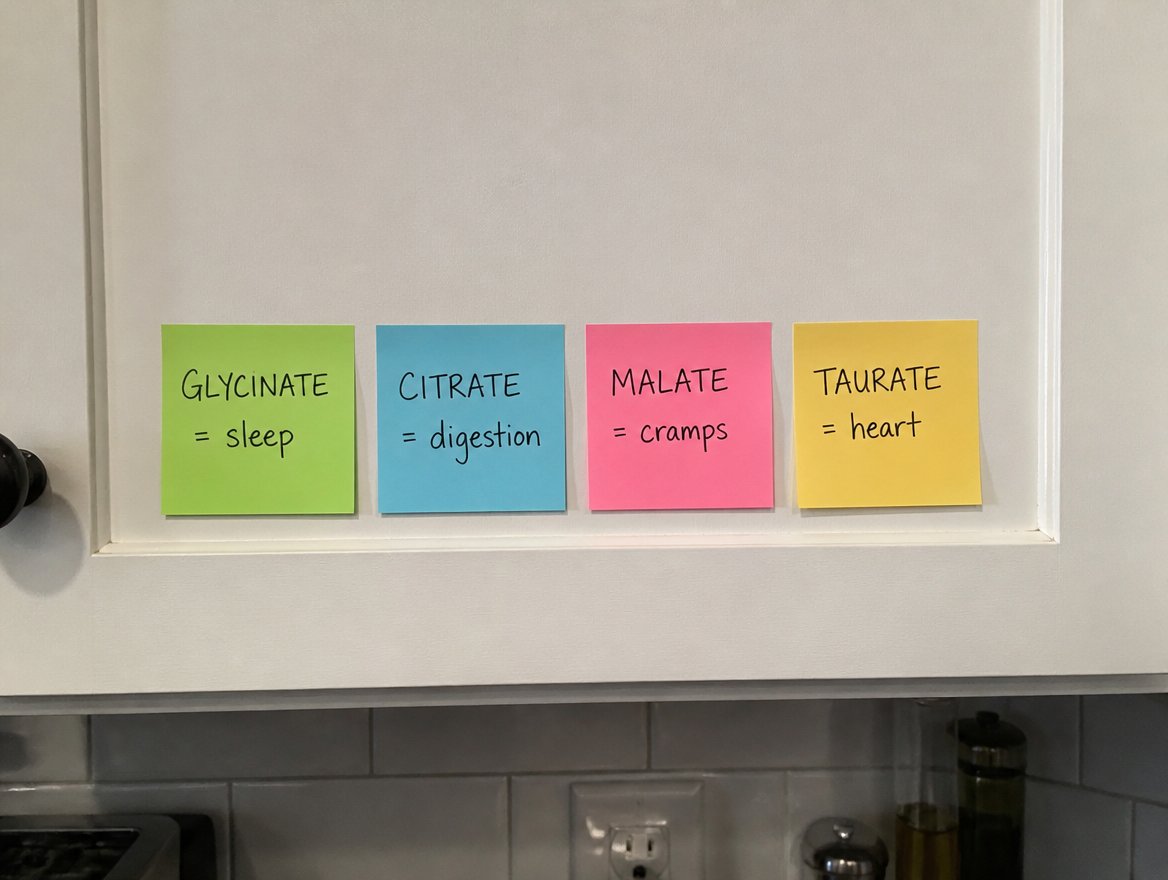
Magnesium glycinate helps sleep. Citrate keeps digestion moving. Malate works on muscle cramps. Taurate supports a steady, calm heartbeat.
Each form absorbs differently and does a different job. That's not marketing — it's just how the mineral works.
So one bottle of one form covers one corner of the problem and leaves the rest running. Covering all of it takes a complex — 10 forms, one dose.
That's exactly what our Magnesium Complex is: all 10 forms, plus KSM-66® ashwagandha at a full 500mg for the daytime stress side, in one nightly serving.
-

4. Take It At Night — Timing Is Half The Result
Cortisol is supposed to be high in the morning and drop low at night. Magnesium is the mineral your body uses to make that drop happen.
Take it with breakfast and it's spent before the moment it matters. Take it 30–60 minutes before bed and it meets your cortisol exactly when it's supposed to fall.
Night is the window. Same mineral, completely different result.
-

5. The Ashwagandha Handles The Daytime Side
Magnesium restocks what stress drained. But if your days stay stressful, you also want the input turned down.
That's the job of KSM-66® ashwagandha — the most studied form, dosed at a full 500mg, already inside the same capsules.
The pairing matters: the magnesium lets cortisol fall at night, the ashwagandha softens the spikes during the day. One bottle, both sides of the problem.
-

6. Already Tried Magnesium And Felt Nothing? That Was Oxide
This part is only for women who've tried a magnesium before and quit: it almost certainly wasn't magnesium's fault.
Flip over most drugstore bottles and you'll find magnesium oxide — the cheapest form to manufacture, absorbed at roughly 4%. It delivered almost none of what the label promised.
If that was your experience, magnesium never got a fair trial. And if you've never tried it at all — now you know which bottles to walk past.
-
7. What The First Month Actually Looks Like
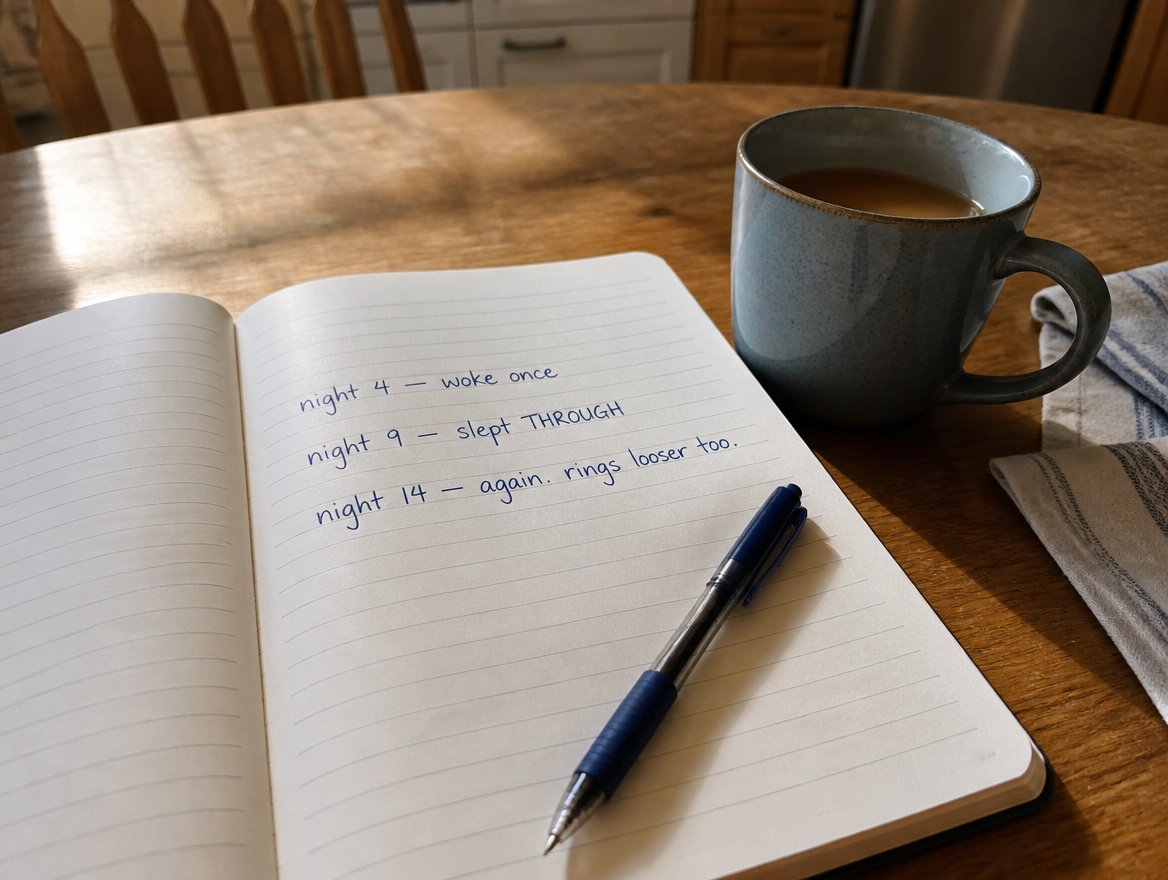
Week one, nights usually come first: falling asleep gets easier and the wake-ups lose their grip.
Weeks two and three, days start to even out — steadier energy, fewer cramps, less of the morning puffiness, a noticeably longer fuse in the evening.
By month two it just feels like your baseline. Magnesium is refilling a deficiency, not sedating you — so it builds instead of wearing off. No melatonin, so no groggy mornings.
And you get 90 nights to judge it, not 30 — if the nights don't change, one email refunds every penny.
What Women Say After Switching To Magnesium Complex
The pattern in the reviews is hard to miss: the 3am wake-ups go first.
“I'd tried magnesium twice before and felt nothing. This one was different by the end of week two — I just stopped seeing 3am.”
— Karen S., verified buyer
“No grogginess like melatonin. I sleep, and then I'm actually awake in the morning.”
— Dana M., verified buyer
“I didn't change anything else. Same job, same stress, same kids. The wake-ups just stopped.”
— Lisa T., verified buyer
Rated 4.8 across 10,000+ verified reviews. Read them all on the product page.

Try it for 90 nights — completely risk-free
10 forms of magnesium + KSM-66® ashwagandha, taken once at night. If your nights don't change, one email refunds every penny.
See If It's In StockBacked by our 90-day, no-hoops money-back guarantee.